What Does “Eating Healthy” Even Mean?

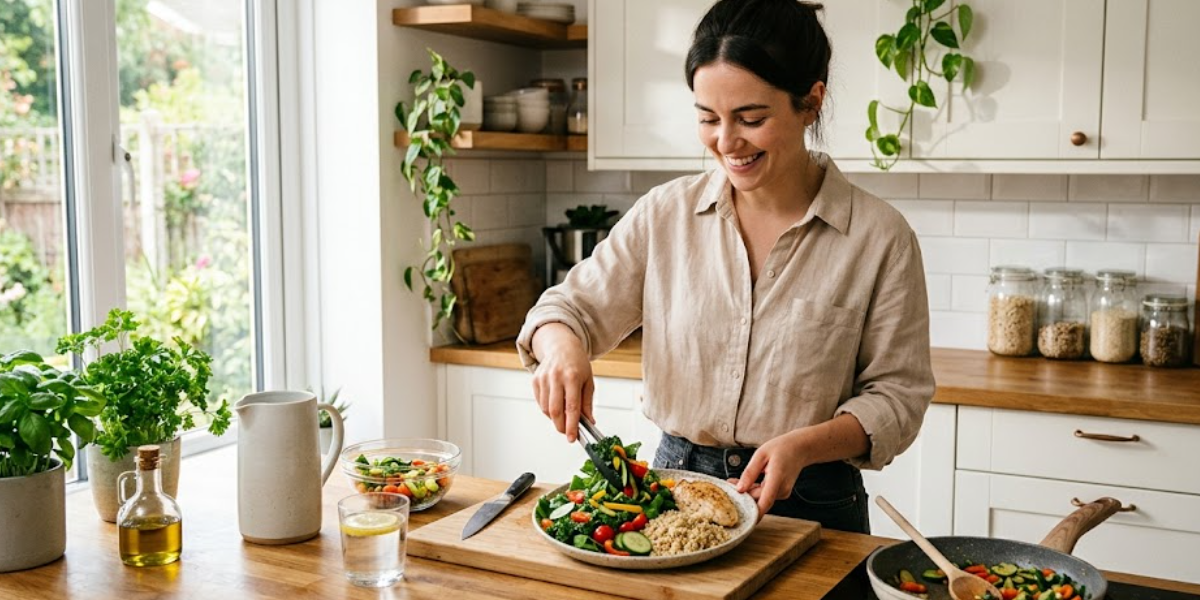
Before we jump into tips, let’s clear something up — eating healthy is not about being perfect. It’s not about eating salad every single meal or cutting out everything you love.
Eating healthy simply means giving your body the nutrients it needs to feel good, stay energized, and work properly. That means eating a good mix of:
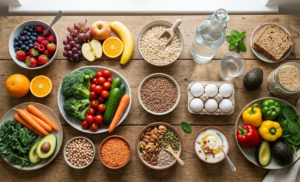
- Fruits and vegetables (the more colorful, the better)
- Whole grains like brown rice, oats, and whole wheat bread
- Protein from eggs, lentils, beans, chicken, or fish
- Healthy fats from nuts, seeds, avocado, and olive oil
- Plenty of water throughout the day
And it also means eating less of the stuff that doesn’t do your body any favors — like sugary drinks, ultra-processed snacks, and fried foods.
 If you want an easy way to stay consistent, read our guide on “How to Track Calories Without an App? (Simple Beginner Method That Actually Works)” to learn a simple method anyone can follow.
Why Should You Start Eating Healthy? (Even Small Changes Help)
You don’t have to have a health problem to start eating better. Eating healthy helps everyone — at any age, any weight, any fitness level. Here’s what even small changes can do for you:
More Energy
Stop feeling tired all the time. Real food fuels your body better than processed snacks.
Better Sleep
A balanced diet helps regulate your sleep cycle so you wake up feeling fresh.
Sharper Focus
Your brain runs on nutrients. Eat well and you’ll think clearer and feel less foggy.
Healthy Weight
Eating right (not less) keeps your weight in a healthy range without crash dieting.
Heart Health
Good food lowers the risk of heart disease, diabetes, and other long-term conditions.
Better Mood
Gut health and brain health are connected. Healthy food literally makes you happier.
Many people unknowingly overeat because of hidden calories, so don’t miss “Hidden Calories for Fat Loss: 7 Foods to Avoid (Simple Guide)” before planning your meals.
Healthy vs. Unhealthy Food — A Simple Comparison Table
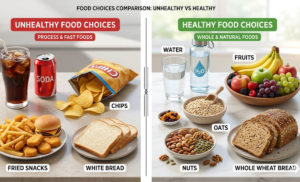
Not sure what to swap? This table makes it super easy. Instead of cutting things out completely, try replacing them with a healthier option.
| Instead of This 🚫 | Try This Instead ✅ | Why It’s Better |
|---|---|---|
| White bread | Whole wheat or multigrain bread | More fiber, keeps you full longer |
| Sugary cereals | Oats or muesli with fruits | Less sugar, more nutrients |
| Soda / cola | Water, lemon water, or coconut water | No empty calories or sugar spikes |
| Chips and namkeen | Roasted chana, nuts, or makhana | More protein, good fats, less sodium |
| Deep-fried snacks | Air-fried or baked versions | Same taste, fewer bad fats |
| White rice (large portion) | Brown rice or smaller portions with dal | Better blood sugar control |
| Full-fat packaged sweets | Fruits, dates, or dark chocolate | Natural sugars + antioxidants |
| Skipping breakfast | Eggs, poha, upma, or yogurt with fruit | Prevents overeating later in the day |
See? It’s not about giving everything up. It’s about making smarter swaps — one meal at a time.
Step-by-Step: How to Actually Start Eating Healthy

Here’s the simple roadmap. Follow these steps and you’ll be eating better within a week — without feeling overwhelmed.
Step 1: Start With One Meal at a Time
Don’t change everything overnight. Pick one meal — maybe breakfast — and make it healthier. Once that feels normal, fix the next meal. Small steps add up fast.
Step 2: Fill Half Your Plate With Vegetables
This one trick changes everything. At lunch and dinner, make sure half your plate has veggies — cooked, raw, or in a salad. You’ll automatically eat less of the heavy stuff.
Step 3: Drink More Water
Most people are mildly dehydrated without knowing it. Aim for 6–8 glasses a day. Drink a glass of water before every meal — it also helps you eat less without trying.
Step 4: Stop Eating From Boredom or Stress
A lot of unhealthy eating happens out of habit, boredom, or stress — not actual hunger. Before reaching for a snack, ask yourself: “Am I actually hungry?” This one question can save you hundreds of calories a day.
Step 5: Cook at Home More Often
When you cook your own food, you know exactly what’s in it. Even simple home-cooked meals — dal chawal, sabzi roti, or a basic salad — are miles ahead of packaged or restaurant food in terms of nutrition.
Step 6: Don’t Skip Meals
Skipping meals makes you hungrier later and leads to overeating. Eat 3 proper meals a day, and if you need a snack, keep healthy options ready like fruits, nuts, or yogurt.
Not sure how much you should actually eat each day? Check out “How Many Calories Should You Eat to Lose Fat? (Simple Calculator Guide)” for a beginner-friendly explanation.What to Keep in Your Kitchen (Healthy Pantry Basics)
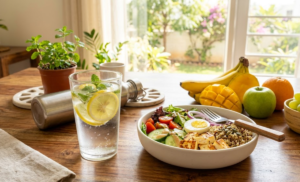
Eating healthy gets way easier when your kitchen is stocked right. Here are the basics every beginner should have:
- Oats, brown rice, or whole wheat flour
- Lentils and dal of any kind
- Eggs (great, affordable protein source)
- Fresh seasonal vegetables and 2–3 fruits
- Curd / yogurt (great for gut health)
- Olive oil or mustard oil for cooking
- Nuts and seeds (almonds, walnuts, flaxseeds)
- Turmeric, ginger, garlic — your natural health boosters
Keep junk food out of the house as much as possible. If it’s not there, you won’t eat it. Simple as that.
Common Mistakes Beginners Make (And How to Avoid Them)
Mistake #1: Going All-In Too Fast
Changing everything at once leads to burnout. Go slow. One change at a time is better than ten changes for two days.
Mistake #2: Thinking “Diet Food” = Healthy
Many packaged “diet” or “low-fat” products are full of sugar and chemicals. Real food — fruits, veggies, whole grains — is always better than diet-labelled packaged food.
Mistake #3: Not Planning Ahead
When you’re hungry and there’s no healthy food around, you’ll grab whatever’s available. Plan your meals a day ahead. Even just a rough idea of what you’ll eat helps a lot.
Mistake #4: Drinking Hidden Calories
Tea with 3 spoons of sugar, juices, energy drinks, and flavored coffees can add hundreds of calories you don’t even notice. Swap these for water, plain chai with less sugar, or black coffee.
FAQs
1. How can beginners start eating healthy?
Start with small changes like eating more vegetables, drinking water, and cooking at home.
2. Do I need to quit junk food completely?
No, balance matters more than perfection. Enjoy treats occasionally.
3. Is healthy eating expensive?
Not at all. Foods like dal, oats, eggs, rice, and seasonal fruits are affordable and healthy.
4. Should I skip meals to lose weight?
No, skipping meals can lead to overeating later. Eat balanced meals regularly.
5. How much water should I drink daily?
Aim for around 6–8 glasses of water each day.
6. How quickly will I notice results?
You may feel more energetic within days, while physical results take a few weeks of consistency.
Ready to Start Your Healthy Eating Journey? 🌿
You don’t need to be perfect. You just need to start. Pick one tip from this guide and try it today — that’s the first step toward a healthier, happier you.
For more simple fitness tips, beginner-friendly workout plans, and easy habits that actually fit into a busy life, explore more blogs on AasthaFitVerse like Home Workout Plans, Fat Loss Diet Guides, and Daily Fitness Habits—everything is designed to help you stay consistent without stress 