

Best Bodyweight Exercises for Strength and Muscle: There was a time when I thought building strength and muscle was only possible in a gym with heavy weights and machines. Everywhere online, people talked about expensive setups, supplements, and complicated workout plans. But honestly, I didn’t want to depend on all that.
So I started with simple bodyweight exercises at home. No gym membership, no fancy equipment, just basic movements using my own body weight. In the beginning, I didn’t expect much. I thought maybe it would help me stay active, but not actually build strength or muscle.
But after staying consistent for a few weeks, I realized bodyweight training is much more powerful than most people think. My body started feeling stronger, my posture improved, and even my energy levels changed. Over time, I understood that you don’t always need equipment to build an athletic and strong body.
That’s why in this guide, I want to share the best bodyweight exercises that helped me improve strength and muscle naturally at home.
Can You Really Build Muscle with Bodyweight Exercises?
Yes, absolutely. A lot of people underestimate bodyweight training because it looks simple. But exercises like push-ups, squats, lunges, and planks can challenge your muscles very effectively if done properly.
Muscles grow when they are challenged consistently. Your body doesn’t care whether resistance comes from dumbbells or your own body weight. What matters is effort, control, and progression.
Bodyweight training also improves balance, coordination, and movement quality. Instead of just lifting weights in one direction, your whole body learns to work together.
That’s one reason why bodyweight workouts often feel more natural and functional.


How Bodyweight Training Worked for Me
For me, bodyweight training became more than just exercise. It was simple, practical, and easy to stay consistent with. I didn’t need to wait for gym equipment or travel anywhere. I could train anytime at home.
The biggest change I noticed was overall body control. My movements felt stronger and smoother. Push-ups became easier, my core became tighter, and even daily activities felt lighter.
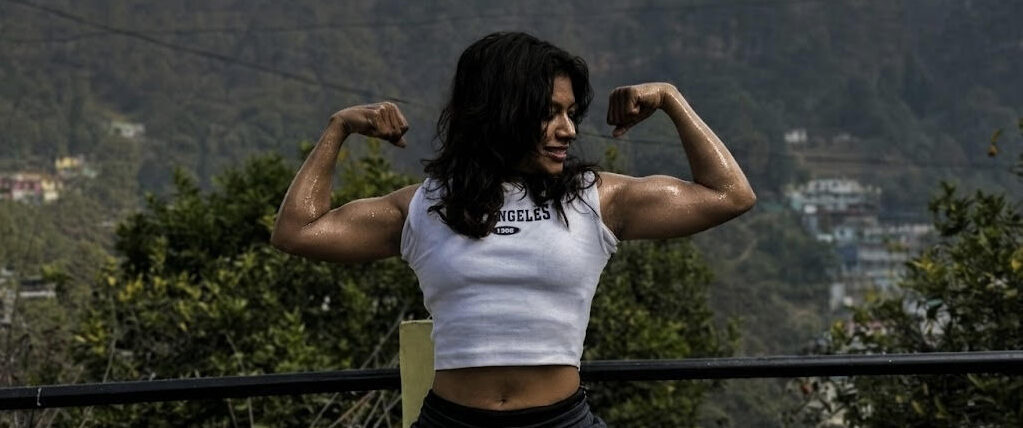
Over time, I also noticed visible muscle improvement, especially in my chest, shoulders, arms, and legs. And the best part was that I achieved this without complicated routines.
If it worked for me with consistency and patience, it can definitely work for you too.
Why Bodyweight Exercises Are Great for Beginners
One reason bodyweight training is perfect for beginners is because it teaches basic movement patterns first. Instead of jumping into heavy lifting, you learn how to control your own body.
This reduces injury risk and builds a strong foundation. It also improves mobility and flexibility naturally.
Another advantage is convenience. You can train anywhere — your room, terrace, park, or living room. This makes it much easier to stay regular with workouts.
Consistency matters more than fancy equipment, especially in the beginning.
Best Bodyweight Exercises for Strength and Muscle
Below are the exercises that helped me the most. They target different muscle groups and together create a full-body workout.
Upper Body Bodyweight Exercises
| Exercise | Main Muscles Worked | Beginner Reps |
|---|---|---|
| Push-ups | Chest, shoulders, triceps | 8–15 reps |
| Pike Push-ups | Shoulders | 6–12 reps |
| Diamond Push-ups | Triceps, inner chest | 6–10 reps |
| Incline Push-ups | Chest and arms | 10–15 reps |
Push-ups
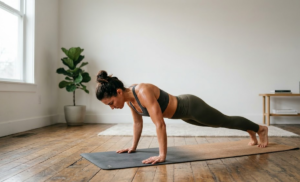

Push-ups are one of the best bodyweight exercises for building upper body strength. They mainly target the chest, shoulders, and triceps while also engaging the core. In the beginning, even a few push-ups can feel difficult, but with consistency they become much easier and help build real strength. The best thing about push-ups is that they need no equipment and can be done anywhere.
Pike Push-ups
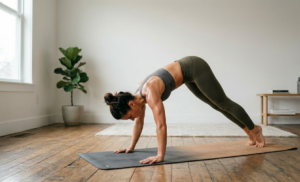

Pike push-ups are great for shoulder strength and upper body control. This exercise feels harder than normal push-ups because more pressure goes onto the shoulders. They are a good beginner step toward advanced movements like handstand push-ups. I noticed they helped improve both shoulder strength and stability over time.
Diamond Push-ups
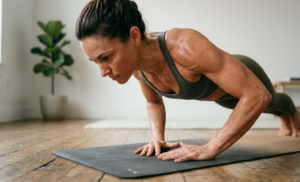

Diamond push-ups mainly focus on the triceps and inner chest. Since the hand position is closer, the movement feels more intense than regular push-ups. At first they may feel challenging, but they are excellent for building arm strength and improving push-up control.
Incline Push-ups
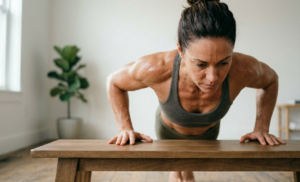

Incline push-ups are perfect for beginners who struggle with regular push-ups. By placing hands on a raised surface like a table or bench, the movement becomes easier while still training the chest and arms. This is a great starting exercise for improving strength gradually.
Lower Body Exercises for Strength
| Exercise | Main Muscles Worked | Beginner Reps |
| Bodyweight Squats | Legs and glutes | 15–20 reps |
| Lunges | Legs and balance | 10 each leg |
| Jump Squats | Explosive leg power | 10–15 reps |
| Glute Bridges | Glutes and hips | 12–15 reps |
Bodyweight Squats
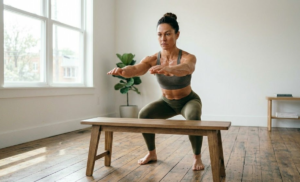

Bodyweight squats are one of the best exercises for lower body strength. They work the legs, glutes, and even core stability. Squats also improve balance and mobility, which helps in daily movement and athletic performance. I noticed stronger legs and better endurance after doing them consistently.
Lunges
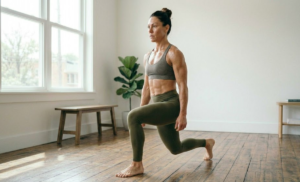

Lunges help build leg strength while also improving balance and coordination. Since each leg works separately, they also expose weak areas and improve stability. They are excellent for beginners because they train both strength and movement control together.
Jump Squats
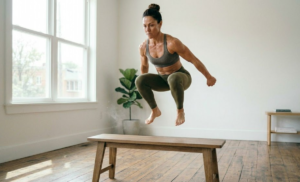

Jump squats are an explosive variation of regular squats that help improve power and athleticism. They increase heart rate quickly and make the legs work harder. This exercise helped me improve stamina and lower body explosiveness while also adding intensity to workouts.
Glute Bridges
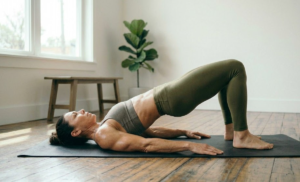

Glute bridges target the glutes and hips while also supporting lower back strength. This exercise looks simple but works very well for improving posture and hip stability. It’s especially useful for people who sit for long hours during the day.
Core Exercises for Stability and Strength
| Exercise | Benefits | Beginner Time |
| Plank | Core stability | 30–45 sec |
| Leg Raises | Lower abs | 10–15 reps |
| Mountain Climbers | Core + cardio | 20–30 sec |
| Bicycle Crunches | Full abdominal activation | 15–20 reps |
Plank
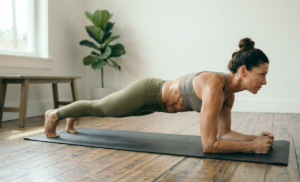

Planks are one of the best exercises for core stability. Instead of fast movement, planks train the body to stay strong and controlled in one position. A strong core helps improve posture, balance, and almost every other bodyweight exercise.
Leg Raises
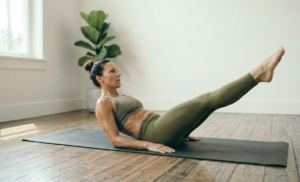

Leg raises mainly target the lower abdominal area and help improve core control. In the beginning, they may feel difficult because they require stability and proper form. Over time, they become very effective for building stronger abs and better movement control.
Mountain Climbers
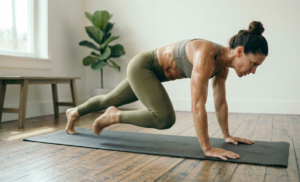

Mountain climbers combine cardio and core training together. They increase heart rate quickly while also challenging the abs, shoulders, and legs. This exercise is great for improving endurance and adding intensity to bodyweight workouts.
Bicycle Crunches
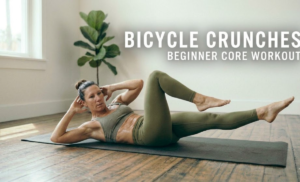
Bicycle crunches are a great core exercise because they target both the abs and obliques. The twisting movement also improves coordination and body control. When done slowly and properly, they create strong core activation without needing equipment.
A strong core improves almost every movement in bodyweight training. It also helps posture and balance.
Full Beginner Bodyweight Workout Plan
This is a simple full-body workout structure that works well for beginners.
| Exercise | Sets | Reps |
| Push-ups | 3 | 10 |
| Squats | 3 | 15 |
| Lunges | 3 | 10 each leg |
| Plank | 3 | 30 sec |
| Pike Push-ups | 2 | 8 |
| Glute Bridges | 3 | 12 |
You can do this workout 3–4 times a week.
The Importance of Progressive Overload
One thing I learned is that muscles need progression to keep growing. In bodyweight training, progression can happen in many ways.
You can increase reps, slow down movements, reduce rest time, or try harder variations of exercises.
For example, regular push-ups can eventually progress into diamond push-ups or explosive push-ups.
Small improvements over time create big results.
Why Form Matters More Than Speed
In the beginning, many people rush exercises just to complete reps. I made this mistake too.
But bodyweight training works best when movements are controlled. Slow and clean repetitions activate muscles better and reduce injury risk.
Once I focused on proper form instead of speed, my workouts became much more effective.
Common Mistakes Beginners Make
One common mistake is doing too much too quickly. People try advanced exercises immediately and lose motivation.
Another mistake is skipping recovery. Muscles grow when your body rests and recovers properly.
Some beginners also ignore nutrition completely. Even with bodyweight training, your body still needs proper food and protein to recover and build muscle.
Do You Need Equipment Later?
Not necessarily. Many people build impressive strength using only bodyweight exercises.
However, over time, some people add resistance bands, pull-up bars, or weighted backpacks for extra challenge. But in the beginning, your own body is more than enough.
The key is mastering the basics first.
I first started exercises my bodyweight and then for change and progressive overload I purchased 20kgs home gym set and now I fully train my body with just bodyweight exercises and this home gym set.
How to Stay Consistent with Bodyweight Training
For me, the biggest advantage of bodyweight workouts was convenience. Since I could train at home anytime, there were fewer excuses to skip workouts.
I also stopped chasing perfection. Some days my workout was short, some days intense. But staying consistent mattered more than doing everything perfectly.
That mindset helped me continue long enough to see real progress.
Can Bodyweight Training Transform Your Body?
Yes, it definitely can. Bodyweight exercises improve strength, muscle endurance, posture, mobility, and overall fitness.
You may not become a professional bodybuilder only with basic bodyweight exercises, but you can absolutely build a strong, lean, athletic body.
And honestly, for most beginners, that’s more than enough.
Final Thoughts
You don’t need a complicated gym setup to become stronger. Your body itself is a powerful training tool.
Start with the basics, focus on good form, and stay consistent. Progress may feel slow at first, but over time the results become very noticeable.
That’s exactly how bodyweight training worked for me, and it can work for you too.
FAQs:
1. Can bodyweight exercises build muscle?
Yes, bodyweight exercises can build muscle if done consistently with progression.
2. Which bodyweight exercise is best for strength?
Push-ups, squats, lunges, and planks are great beginner exercises.
3. How many days should I train?
3–4 days a week is enough for beginners.
4. Do I need equipment for bodyweight workouts?
No, you can start completely without equipment.
5. How long before I see results?
Most people notice strength improvements within 4–6 weeks.
6. Can bodyweight workouts replace the gym?
For general strength and fitness, yes, they can work very well.
