


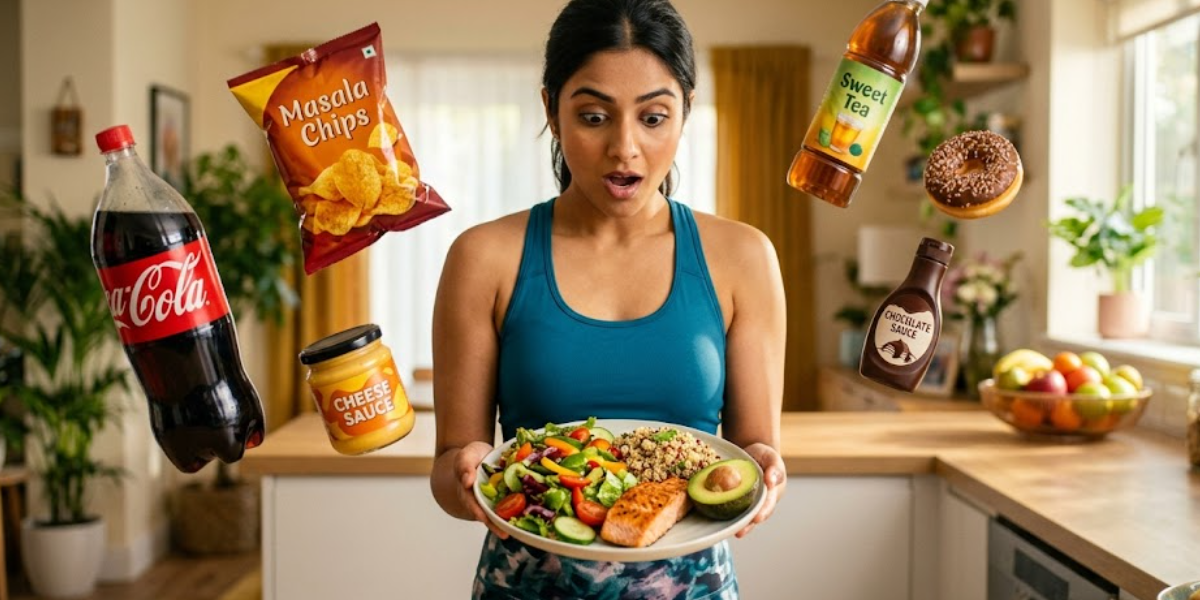
Hidden calories for fat loss are one of the biggest reasons people struggle to see results, even when they feel like they’re doing everything right.
When I first tried to lose fat, I genuinely believed I was doing everything right. I avoided junk food most of the time, ate home-cooked meals, and even started working out regularly. But despite all that effort, my progress was frustratingly slow, and I could barely see any visible change in my body.
That’s when I realized something important. I wasn’t eating too much, but I was unknowingly consuming a lot of hidden calories.
These are the calories that quietly slip into your daily routine without you noticing. Once I fixed this one mistake, my fat loss became much smoother, more consistent, and far less stressful.
What Are Hidden Calories?
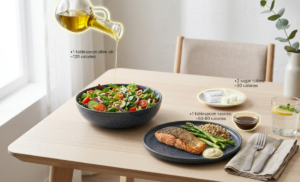

Hidden calories are the extra calories that come from small, everyday additions to your meals. These can include oil used in cooking, sugar in beverages, sauces, dressings, or even small snacks between meals.
Individually, these may seem insignificant. But over the course of a full day, or even a week, they can add up to a large calorie surplus.
The key thing to understand is this: fat loss depends on your total calorie intake. Even if your meals look “healthy,” hidden extras can quietly slow your progress.


Why This Matters More Than Strict Dieting

For a long time, I believed that fat loss required strict dieting, cutting out everything I enjoyed, and constantly controlling portions. But that approach never worked for me in the long run.
What actually made a difference was focusing on reducing unnecessary calories rather than restricting everything.
Instead of asking, “What should I stop eating completely?” I started asking, “What small things can I improve?”
That shift in mindset made the entire process easier and more sustainable.
The Psychology Behind Hidden Calories
One thing most people don’t realize is that hidden calories are not just a physical problem, they’re also psychological.
We tend to ignore foods that don’t feel “heavy.” For example, a sugary drink, a few biscuits, or a spoon of sauce doesn’t register in our mind as a full meal. Because of this, we don’t mentally count them as part of our daily intake.
This creates a false sense of control, where we believe we are eating less than we actually are.
Once I became aware of this pattern, everything changed. I started paying attention not just to what I eat, but also to what I casually add throughout the day. That awareness alone reduced my calorie intake without forcing strict discipline.
Common Hidden Calorie Foods That Slow Fat Loss
There are several common foods that can slow down fat loss without you realizing it. These items are usually high in calories but low in satiety, meaning they don’t keep you full for long.
To help you understand exactly how these “small” additions affect your progress, let’s take a look at each one in detail, one by one.
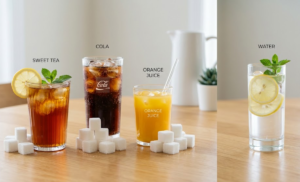
1. Sugary Drinks (Liquid Calories)

-
What they consist of: Mostly water, high amounts of refined white sugar or High-Fructose Corn Syrup (HFCS), and artificial flavorings.
-
Why they are harmful: They have a high Glycemic Index, causing a massive spike in blood sugar. Because they lack fiber, the body absorbs the sugar instantly.
-
Impact on the body: When blood sugar spikes, the body releases a large amount of insulin. High insulin levels signal the body to store fat rather than burn it. Since your brain doesn’t “register” liquid calories as food, you don’t feel full, leading to overeating later.
2. Excessive Cooking Oil

-
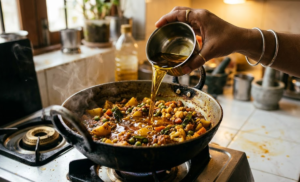
What it consists of: Concentrated fats. Whether it’s olive, sunflower, or mustard oil, every gram of fat contains 9 calories—more than double the calories of protein or carbs.
-
Why it’s harmful: It is very easy to over-pour. Just two extra tablespoons of oil a day can add nearly 200 extra calories to your “healthy” home-cooked meal.
-
Impact on the body: High intake of processed oils (especially if reused/reheated) can lead to systemic inflammation and sluggish digestion, making you feel bloated and heavy even if you aren’t eating “junk.”
3. Packaged “Healthy” Snacks
-
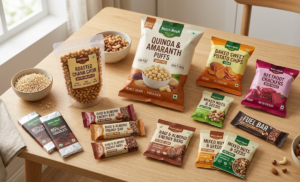
What they consist of: Often labeled as “roasted,” “diet,” or “baked,” these usually contain refined flours (maida), maltodextrin, and hidden sodium.
-
Why they are harmful: The “healthy” label creates a health halo effect, leading you to eat a larger portion than you would of “unhealthy” food. They are often highly processed to increase shelf life.
-
Impact on the body: The high sodium content causes the body to retain water, which masks fat loss progress on the scale and makes your muscles look less defined.
4. Commercial Sauces & Condiments

-
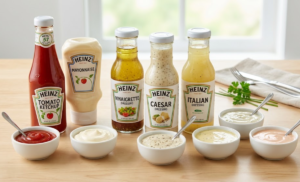
What they consist of: Ketchup, mayo, and salad dressings are often loaded with sugar, emulsifiers, and cheap vegetable oils to create a creamy texture.
-
Why they are harmful: We rarely measure them. A “dollop” of mayonnaise can have as many calories as a small bowl of rice.
-
Impact on the body: These additives can disrupt your gut microbiome. A healthy gut is essential for efficient metabolism; when it’s imbalanced, your body struggles to process nutrients effectively.
5. Biscuits & Bakery Items

-
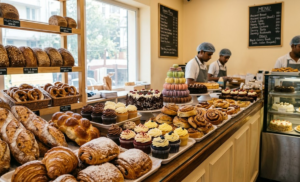
What they consist of: A combination of refined flour, sugar, and hydrogenated vegetable fats (trans fats).
-
Why they are harmful: They are “hyper-palatable,” meaning they are engineered to make you want to keep eating. It’s almost impossible to stop at just one.
-
Impact on the body: Trans fats are particularly dangerous because they specifically contribute to visceral fat (the stubborn fat around your internal organs). They also lower your “good” cholesterol and increase “bad” cholesterol.
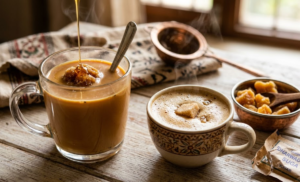
6. Sweetened Tea & Coffee
-
What they consist of: Caffeine, whole milk, and multiple teaspoons of refined sugar.
-
Why they are harmful: It’s a “habitual calorie.” If you drink 3–4 cups a day, you might be consuming 300–400 calories just from your beverages without ever feeling like you’ve had a snack.
-
Impact on the body: Constant sugar intake from tea/coffee keeps your blood sugar elevated throughout the day. This prevents your body from entering a “fasted state” where it can efficiently tap into stored fat for energy.
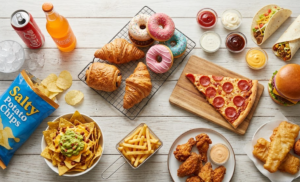
7. Fried “Add-ons” (Chips/ Namkeen & Sides)

-
What they consist of: Deep-fried starches (potatoes, chickpea flour) coated in salt and spices.
-
Why they are harmful: They are high in Omega-6 fatty acids, which in excess can be pro-inflammatory.
-
Impact on the body: Chronic inflammation from fried foods can lead to leptin resistance. Leptin is the hormone that tells your brain you are full. When you become resistant, you feel hungry all the time, even when your body has plenty of stored energy.
Replacing them with simpler alternatives like water, fruits, home-cooked meals, and low-sugar drinks can make a noticeable difference without making your diet feel restrictive.
Sugary Drinks Were My Biggest Mistake
One of the biggest mistakes I made was underestimating how many calories I was drinking daily. Tea with sugar, soft drinks, and packaged juices were a regular part of my routine, and I never thought they could affect my fat loss.
The problem is that liquid calories don’t provide fullness. They go in easily, but they don’t reduce hunger.
Once I reduced these drinks and switched to water and simpler options, I noticed a significant improvement in my progress without making any extreme changes.
The “Light Snacking” Trap
Another mistake I made was frequent snacking. Biscuits, chips, and even so-called “healthy” packaged snacks felt harmless because they were eaten in small quantities.
However, these small snacks added up quickly over time, increasing my daily calorie intake more than I realized.
When I replaced them with fruits or a small portion of nuts, I felt fuller for longer and reduced unnecessary eating without forcing myself to stop snacking completely.
Sauces and Add-Ons Add Up Quickly
Things like ketchup, mayonnaise, and dressings don’t seem like a big deal, but they contain hidden sugar and fats that increase calorie intake.
I used to add them without thinking, but once I became aware, I reduced them and switched to simpler alternatives like spices or curd-based options.
This helped me control extra calories without compromising too much on taste.
What I Changed Instead of Following a Strict Diet
I didn’t completely eliminate my favorite foods. Instead, I made small adjustments that were easy to maintain.
I reduced sugar, controlled oil, avoided unnecessary packaged snacks, and focused more on simple, balanced meals.
This approach made fat loss feel natural rather than forced, and it helped me stay consistent without feeling restricted.
How These Changes Helped Me
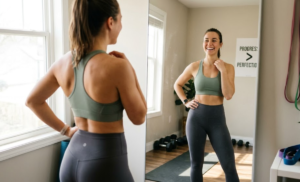

After making these changes, I started noticing improvements within a few weeks. My body felt lighter, my energy levels improved, and I experienced less bloating.
The best part was that I didn’t feel like I was on a strict diet. I was still eating normal food, just in a smarter way.
This made the results more sustainable in the long run.
Can This Work for You Too?
Yes, this approach can work for almost anyone starting their fat loss journey. You don’t need a perfect plan or extreme discipline to begin.
Start by identifying hidden calories in your daily routine and reducing them gradually. Even small improvements can create noticeable results over time.
Consistency with simple habits is far more effective than short-term strict dieting.
Final Thoughts
Fat loss is not about removing everything you enjoy. It’s about understanding what might be slowing your progress and making small, practical changes.
Once you control hidden calories, the entire process becomes easier and more manageable.
Keep things simple, stay consistent, and results will follow.
FAQs
What are hidden calorie foods?
They are foods or drinks that add calories without you realizing it.
Do I need to avoid all junk food?
No, you just need to reduce it and maintain balance.
Is home food always good for fat loss?
Yes, but oil quantity and portion size still matter.
Are sugary drinks bad for fat loss?
Yes, because they add calories without making you feel full.
Can I snack during fat loss?
Yes, but choosing better options like fruits or nuts is important.
How fast will I see results?
With consistency, you may notice changes within 2 to 4 weeks.
👇 Need Help?
Drop your weight, height, and goal in the comments, and I’ll help you calculate your ideal calorie intake.
If this helped you, share it with someone trying to lose fat 💪
