How Much Cardio Do You Really Need to Lose Fat? Wait… Does Cardio Even Burn Fat?
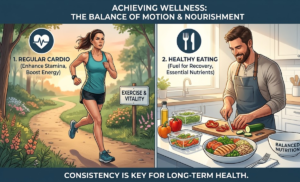
Short answer: yes, but not in the magical way fitness ads make it look. Cardio burns calories while you do it. And when you burn more calories than you eat, your body starts tapping into fat stores for energy. That’s fat loss in a nutshell.
But here’s the thing most people miss — cardio alone, without eating right, won’t get you very far. You can run for 45 minutes and wipe out that entire effort with one large slice of cake. Not to scare you, just to be real.
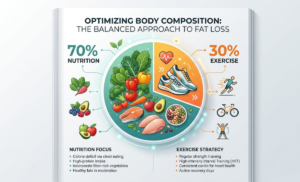
- 70%- of fat loss comes from what you eat
- 30%- is influenced by physical activity
- 150 min- minimum weekly cardio for health
- 300 min- recommended for active fat loss
So How Much Cardio Do You Need Per Week to Lose Fat?
Here’s the straightforward answer. According to most health and fitness guidelines, aiming for 150 to 300 minutes of moderate cardio per week is the sweet spot for fat loss. That works out to roughly 30 to 60 minutes, 5 days a week.
If you’re going harder with high-intensity cardio (like HIIT), you can cut that time down. Around 75 to 150 minutes of vigorous cardio per week can give similar fat-burning results in less time.
Breaking It Down by Fitness Level
Beginners: Start with 20–30 minutes of brisk walking or light cycling, 3 to 4 days a week. Your body isn’t used to the demand yet, and jumping into 5 days straight is a quick way to burn out or get injured.
Intermediate: Aim for 40–50 minutes, 4 to 5 days a week. Mix in some jogging or low-intensity interval training to keep things from getting boring.
Advanced: 45–60 minutes, 5 to 6 days per week. You likely know what works for your body at this point — keep intensity varied.
You don’t need to hit the gym. Brisk walking, cycling to work, dancing in your living room — it all counts. The best cardio is the one you’ll actually do consistently.
HIIT vs Steady-State Cardio: Which Burns More Fat?
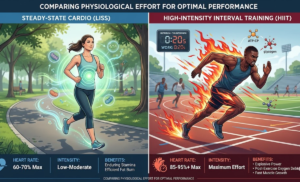
This debate has been going on for ages, and honestly, both work. The difference is in how your body burns energy — during and after the workout.
Steady-state cardio (like a long walk or jog) burns fat more directly during the session. Your body runs on a mix of fat and carbs, leaning more toward fat at lower intensities.
HIIT (short intense bursts followed by rest) burns more total calories per minute and triggers something called the “afterburn effect” — your metabolism stays slightly elevated for hours after. But it’s also much harder on your body and needs proper recovery.
 If you’re looking for a beginner-friendly exercise routine, check out our Home Workout Plan for Fat Loss for Beginners (30 Minutes Daily) for a simple way to burn calories without spending hours in the gym.
Cardio Type Comparison: What Burns the Most Fat?
Here’s a quick breakdown to help you pick what suits your lifestyle and fitness level best.
| Cardio Type | Intensity | Calories/30 min (approx) | Fat Burn Efficiency | Best For |
|---|---|---|---|---|
| Brisk Walking | Low | 120–150 kcal | Moderate | Beginners, daily habit |
| Jogging | Medium | 250–300 kcal | Good | All levels, steady progress |
| Cycling (outdoor) | Medium | 220–280 kcal | Good | Joint-friendly fat loss |
| Swimming | Medium | 250–350 kcal | Very Good | Full body, low impact |
| HIIT | High | 300–450 kcal | Excellent | Time-crunched, advanced |
| Jump Rope | High | 280–400 kcal | Excellent | Home workouts, cardio boost |
| Dance / Zumba | Medium | 200–250 kcal | Good | Fun, consistency building |
| Elliptical Trainer | Medium | 240–300 kcal | Good | Low impact, gym use |
*Calorie estimates are for a person weighing approximately 70 kg (154 lbs). Your numbers may vary.
Cardio isn’t the only way to reduce stubborn abdominal fat. Learn more in How to Lose Belly Fat at Home Without Equipment (Beginner Guide That Actually Worked for Me).
The Thing That Matters More Than Cardio

Okay, real talk. Cardio is great. But if you’re eating way more calories than your body needs, no amount of running will fix that. This isn’t a lecture — it’s just math.
A calorie deficit — eating slightly less than you burn — is what actually drives fat loss. Cardio helps create that deficit. But so does eating a bit less. A combination of both is where the real results show up.
You also want to make sure you’re getting enough protein. Protein helps keep you full longer, protects muscle while you lose fat, and keeps your energy stable. Aim for roughly 1.6 to 2.2 grams of protein per kilogram of your body weight.

If you’re unsure whether you’re actually in a calorie deficit, start with How Many Calories Should You Eat to Lose Fat? (Simple Calculator Guide) before deciding how much cardio you need each week.Since nutrition plays a major role in fat loss, pair your cardio routine with our Simple Fat Loss Diet Plan for Beginners to create a healthy calorie deficit and maximize results.A Simple Weekly Cardio Plan to Start With
Don’t overthink it. Here’s a simple beginner-friendly plan that requires little to no equipment and can be adjusted to your fitness level.
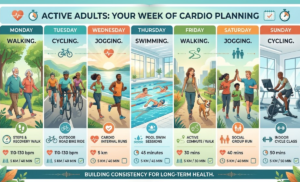
| Day | Activity | Duration • Intensity |
|---|---|---|
| Monday | Brisk walk or light jog | 30 min • Low |
| Tuesday | Rest or gentle stretching | — • — |
| Wednesday | Cycling or swimming | 35 min • Medium |
| Thursday | HIIT (if ready) or jog | 20–30 min • High |
| Friday | Rest | — • — |
| Saturday | Long walk, hike, or dance | 45 min • Low |
| Sunday | Active recovery (yoga, walk) | 20 min • Low |
That’s about 150–180 minutes for the week — a solid, sustainable starting point. As you get fitter, add 10 minutes here and there or swap in more intense sessions.
Can You Do Too Much Cardio?

Yes, actually. Overdoing cardio can lead to muscle breakdown, increased hunger, fatigue, and a slow metabolism over time. Your body is smart — if you stress it too much without proper recovery and nutrition, it adapts by holding onto fat more efficiently.
More isn’t always better. Consistency and recovery matter just as much as effort. Four focused sessions a week beats seven mediocre, exhausted ones every time.
FAQ
1. Does cardio burn fat?
Yes. Cardio burns calories, helping your body use stored fat for energy.
2. How much cardio is needed for fat loss?
Aim for 150–300 minutes of moderate cardio per week.
3. Is HIIT better than regular cardio?
Both work. HIIT is faster, while steady-state cardio is easier to sustain.
4. Can walking help lose fat?
Yes. Regular brisk walking can support fat loss when paired with a healthy diet.
5. Is diet more important than cardio?
Yes. A calorie deficit from proper nutrition is the biggest factor in fat loss.
6. Can too much cardio be harmful?
Yes. Overdoing cardio can cause fatigue, muscle loss, and slower recovery.
For more simple fitness tips, beginner-friendly workout plans, and easy habits that actually fit into a busy life, explore more blogs on AasthaFitVerse like Home Workout Plans, Fat Loss Diet Guides, and Daily Fitness Habits—everything is designed to help you stay consistent without stress