


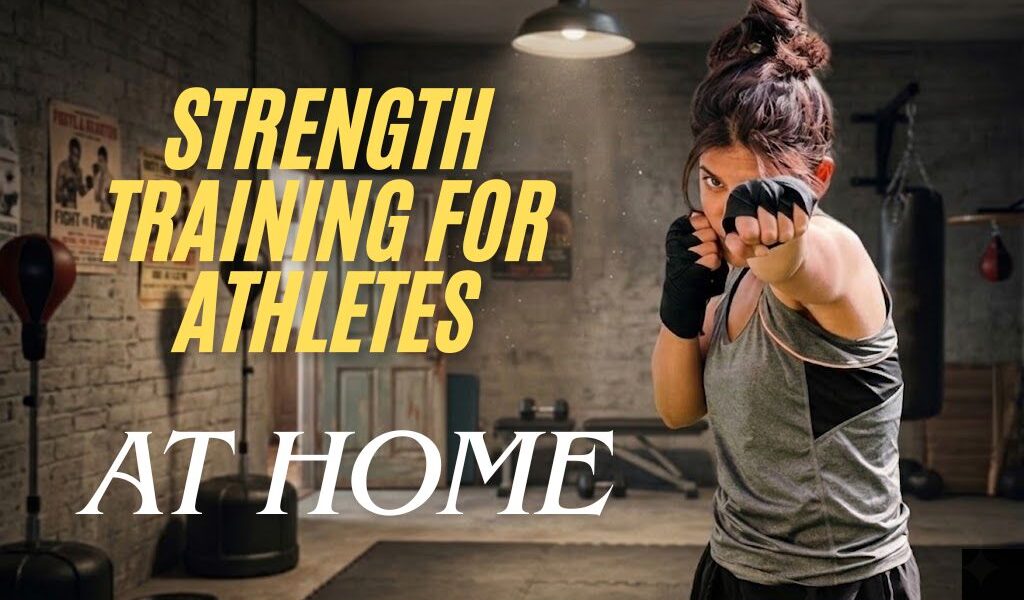
Strength Training for Athletes at Home: I’ll be honest… I’m not a professional athlete, and I don’t play any competitive sports. But I always liked the idea of being fit, fast, and strong like an athlete. Not just looking good, but actually moving better, reacting faster, and feeling more powerful.
That’s when I started experimenting with athlete-style training at home, things like shadowboxing, jumping movements, and bodyweight strength exercises. At first, it felt a bit random, but slowly I started understanding how to structure it properly.
And surprisingly, this kind of training made me feel more active and athletic than regular workouts ever did.
What “Training Like an Athlete” Really Means (Simple Way)
You don’t have to be a sportsperson to train like an athlete. For me, it simply meant focusing on movement, speed, power, and control instead of just doing slow gym-style exercises.
This kind of training includes things like explosive jumps, fast movements, balance work, and coordination exercises. It trains your body to move better, not just look better.
Once I started thinking this way, workouts became more fun and less boring. It felt like I was actually training my body to perform, not just exercise.
How This Style of Training Changed My Body and Energy
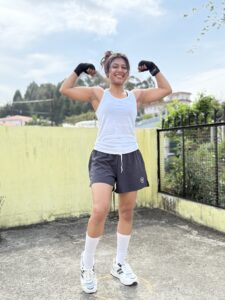

After a few weeks of doing shadowboxing and plyometric exercises, I started noticing real changes. My stamina improved a lot, and I didn’t get tired as quickly as before. I also felt lighter on my feet and more active throughout the day.
My coordination improved too. Simple things like balance and quick movements became easier. Even mentally, I felt more sharp and focused after workouts.
What I liked the most was that I didn’t need any equipment or gym. Just a small space at home and consistency.
My Home Athlete-Style Strength & Conditioning Routine
I follow a simple structure where I first do high-intensity and explosive exercises, then move into strength and core work. This combination helped me build both power and control.
🔥 Plyometric & High-Intensity Exercises (Athlete Style)
| Exercise | Time/Reps | Purpose |
|---|---|---|
| Jump Squats | 10–12 reps | Explosive leg power |
| High Knees | 30–40 seconds | Speed and stamina |
| Switch Step-ups | 10–12 reps | Full-body conditioning |
| RFE Split Jumps | 20–30 seconds | Agility and side movement |
| Lateral Jumps | 30 seconds | Explosive leg power |
| Lateral Step Push Off | 8–10 reps | Power and explosiveness |
These exercises helped me build speed and power, just like athletes train for performance.


Shadowboxing & Movement Training (My Favorite Part)
| Exercise | Time | Focus |
| Shadowboxing | 2–3 minutes | Speed, coordination |
| Footwork drills | 2 minutes | Agility and balance |
| Fast punches combo | 1–2 minutes | Upper body speed |
| Defensive moves | 1–2 minutes | Reaction and control |
This part made workouts fun for me. It doesn’t feel like exercise, it feels like training your reflexes and movement.
Strength & Core Exercises (To Build Control)
| Exercise | Time/Reps | Benefits |
| Push-ups | 10–15 reps | Upper body strength |
| Plank | 30–45 seconds | Core stability |
| Lunges | 10 each leg | Balance and leg strength |
| Leg Raises | 12–15 reps | Lower abs |
| Glute Bridge | 12–15 reps | Hip strength |
This helped me balance power with control, which is very important.
My Weekly Routine That Kept Me Consistent
I didn’t try to train randomly every day because I knew I would lose consistency. So I created a simple structure that worked for me long-term.
I train in the morning with Shadowboxing, Plyometrics, and High-intensity movement work, which helps me start my day active and energetic. Then in the evening, I focus on Strength training and Core exercises, which helps me build muscle, stability, and control.
This split routine made a huge difference for me because I wasn’t exhausting my body in one session. Instead, I was dividing my energy smartly across the day.
| Day | Morning Session | Evening Session |
| Monday | Shadowboxing + Plyometrics | Strength training |
| Tuesday | Light shadowboxing + mobility | Core + stretching |
| Wednesday | Full HIIT athlete workout | Strength training |
| Thursday | Rest or light movement | Rest |
| Friday | Shadowboxing + Plyometrics | Strength training |
| Saturday | Light cardio + footwork drills | Core workout |
| Sunday | Rest | Rest |
This routine helped me stay consistent without feeling overtrained or bored.
What I Learned While Training Like This
One big thing I learned is that you don’t need fancy equipment to train effectively. Your body is enough if you use it properly. I also realized that speed and control are just as important as strength.
Another important lesson was consistency. Even simple workouts can give results if you do them regularly. You don’t need to be perfect, you just need to show up.
Mistakes I Made in the Beginning
In the beginning, I used to go too fast without proper form. I also skipped warm-ups, which made my body feel stiff. Another mistake was doing too much in one day and then feeling too tired to continue the next day.
Once I slowed down, focused on form, and followed a structured routine, everything became easier and more effective.
Can You Train Like an Athlete at Home Too?
Yes, absolutely. You don’t need to be a professional athlete or go to a gym. If you have a small space and the willingness to move, you can start right away.
This type of training is not only effective but also fun. It keeps you active, improves your fitness, and makes workouts feel less boring.
If it worked for me, it can definitely work for you too.
Final Thoughts:
Training like an athlete changed the way I look at fitness. It’s no longer just about muscles or appearance, it’s about how your body moves and performs.
If you are bored of regular workouts, try this style. Keep it simple, stay consistent, and enjoy the process.
That’s exactly what worked for me, and it can work for you too.
FAQs:
1. Can I train like an athlete without playing sports?
Yes, anyone can follow athlete-style training at home.
2. Is shadowboxing good for fitness?
Yes, it improves stamina, coordination, and speed.
3. What are plyometric exercises?
They are explosive movements like jumps that build power.
4. Do I need equipment for this training?
No, bodyweight exercises are enough.
5. How many days should I train?
3–5 days a week is ideal.
6. How long before I see results?
You may notice changes in 4–6 weeks with consistency.
