Top 5 scientifically proven foods for fat loss: With so much confusing advice online, it’s hard to know what really works.
The good news? Science is clear.
Certain foods can help you feel fuller, reduce cravings, and make fat loss easier.
Most people think fat loss is all about eating less and suffering through it but that’s exactly where things go wrong. The truth is you don’t need to survive on tiny portions or bland meals to see results. Fat loss is really about eating smarter not just less. When you choose the right foods, ones that are packed with nutrients but naturally lower in calories, you can actually feel full, satisfied, and still make progress.
Instead of fighting cravings all day, imagine eating in a way that keeps you energized, reduces those random hunger spikes, and makes it easier to stay consistent. That’s the real game changer. The best fat loss foods help you stay on track without feeling miserable, so you’re not constantly tempted to quit or binge later.
In this blog, we’ll break down 5 scientifically proven foods that support fat loss, simple, everyday options that are easy to add to your routine and can make your journey a whole lot easier.
Top 5 Scientifically Proven Foods for Fat Loss:
1. Leafy Greens: The Best Low-Calorie Fat Loss Food


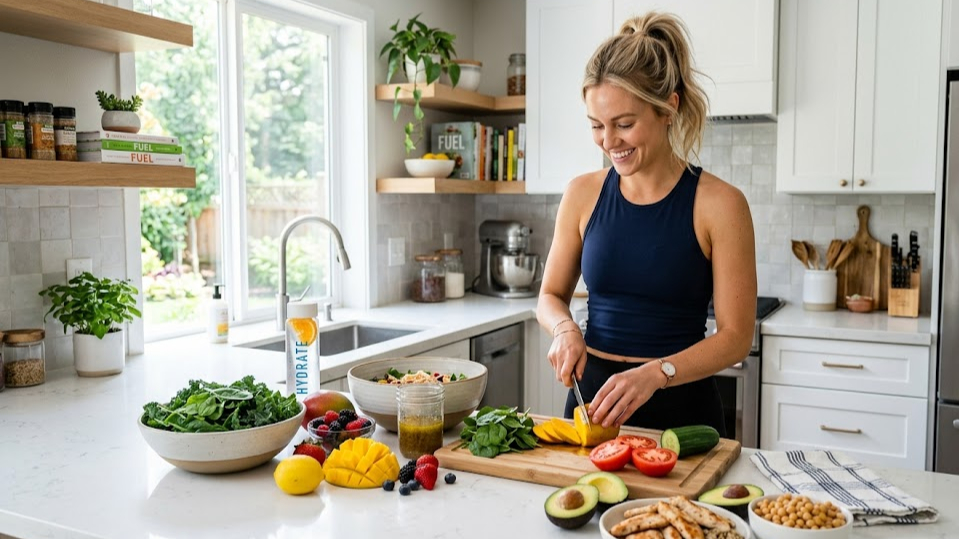
Leafy greens like spinach, kale, and lettuce are the foundation of any successful fat-loss plan. Their secret weapon is volume. Because they are incredibly low in calories but high in water and fiber, they allow you to eat large portions that physically fill your stomach, signaling to your brain that you are full.
-
The Science: They are packed with vitamins A, C, and K, along with folate and manganese. More importantly, the fiber in greens slows the absorption of glucose, preventing the insulin spikes that lead to fat storage.
-
My Experience: I’ve found that starting a meal with a large bowl of greens; whether a salad or a sautéed side is a game-changer. It takes the “edge” off my hunger so that I don’t overeat the more calorie-dense parts of the meal.
-
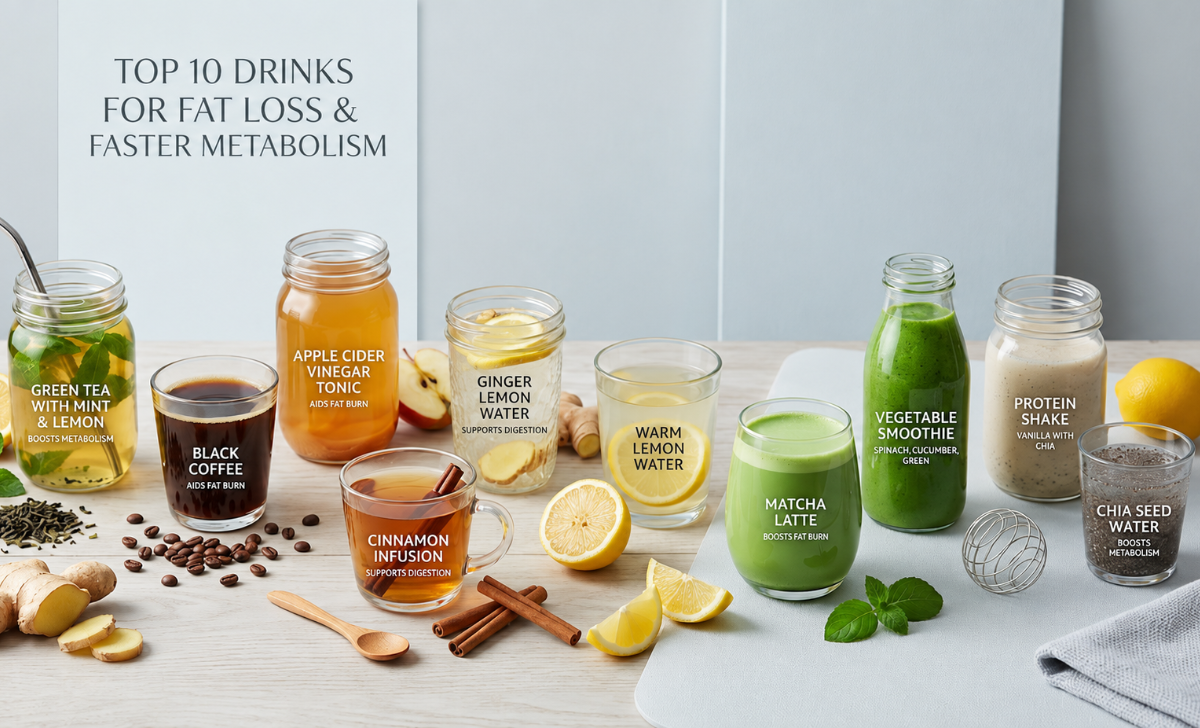
How to Enjoy: Don’t just stick to salads. Blend spinach into your morning smoothie (you won’t even taste it!) or stir-fry kale with garlic and a hint of lemon.
 If your main goal is to reduce stubborn belly fat, you can also check my guide on How to Lose Belly Fat at Home Without Equipment (Beginner Guide That Actually Worked for Me) where I shared a simple routine that gave me real results.
2. Lean Protein: Essential Fat Loss Food for Burning Calories


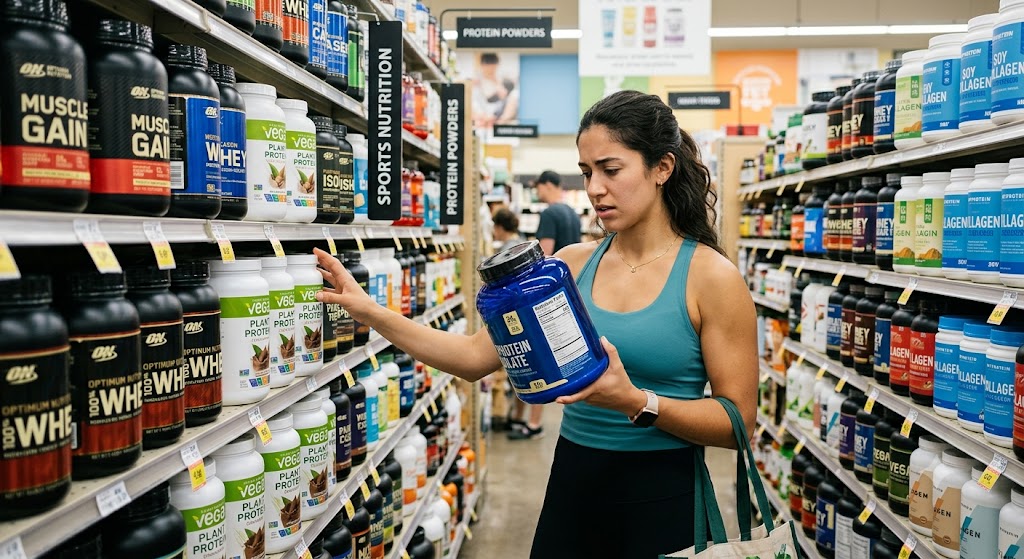
Protein is the most vital macronutrient for body recomposition. Whether you prefer plant-based or animal-based sources, protein has the highest Thermic Effect of Food (TEF). This means your body actually burns more energy just trying to digest protein compared to fats or carbohydrates.
-
The Science: Protein increases levels of the satiety hormones GLP-1 and cholecystokinin, while reducing levels of the hunger hormone ghrelin. This double-action effect is why a high-protein meal keeps you satisfied for hours.
-
The Protein Spectrum: Excellent options include tofu, tempeh, lentils, and low-fat dairy like Cootage Cheese (Paneer) or Greek yogurt. For those who eat meat, chicken breast and white fish are gold standards.
-
My Experience: I always prioritize protein in my first meal of the day. It stabilizes my energy levels and completely kills those mid-afternoon sugar cravings that used to derail my progress.
Read more here: High Protein Diet Plan for Muscle Gain: Simple Daily Meal Guide for Veg, Non-Veg & Vegan
3. Water-Rich Vegetables: High-Volume Fat Loss Foods

Vegetables like cucumber, zucchini, and bottle gourd (lauki) are nutritional powerhouses for weight management. These are often referred to as “high-volume” foods.
-
The Science: Your stomach recognizes the volume of food rather than the number of calories. By choosing vegetables with high water content, you can “trick” your stretch receptors into feeling full on a fraction of the calories found in processed snacks.
-
Pro Tip: Instead of reaching for crackers or chips, try chilled cucumber slices with a sprinkle of black salt or chili powder. It provides the crunch you crave with almost zero caloric cost.
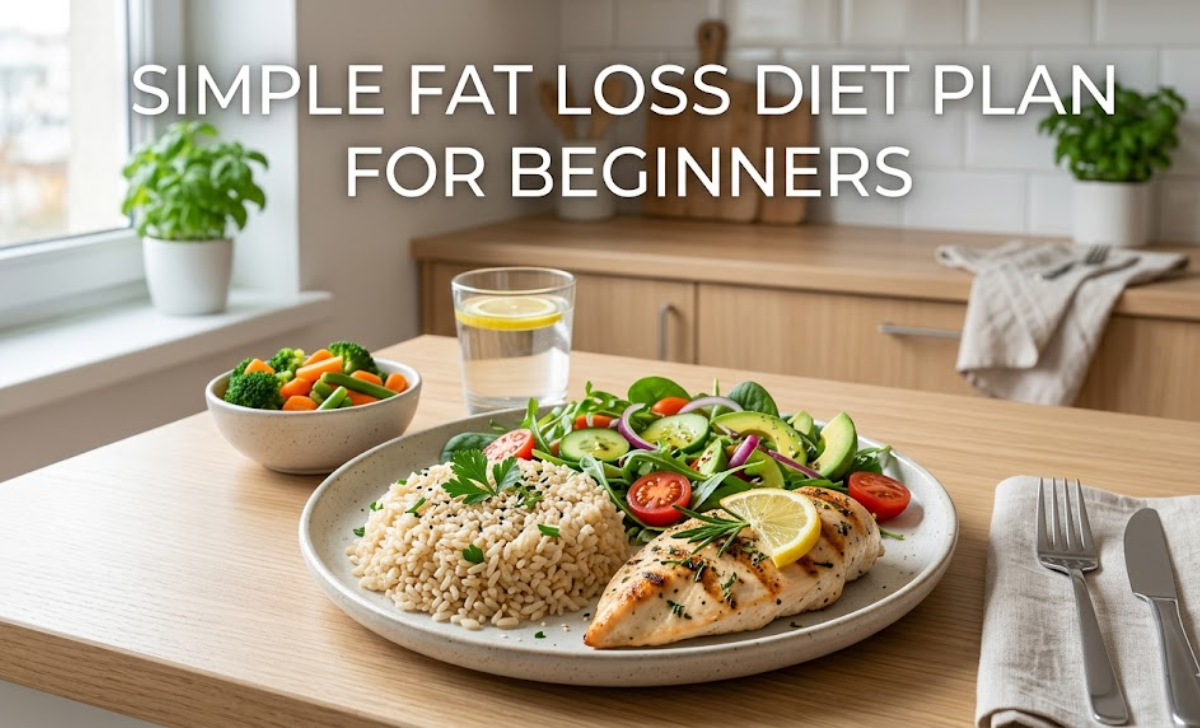
For better results, don’t forget to pair this with a proper diet. Check my Simple Fat Loss Diet Plan for Beginners.
4. Fruits (Apples & Berries)

When fat loss is the goal, your choice of fruit matters. While all fruits have vitamins, apples and berries (like strawberries and blueberries) are particularly effective due to their high pectin and fiber content.
-
The Science: Whole fruits contain cellular fiber, which acts as a barrier, slowing down the digestion of natural sugars. This prevents the “sugar crash” that often leads to more hunger later in the day. Berries are also loaded with antioxidants that help reduce inflammation, a common hidden barrier to weight loss.
-
How to Eat: Always choose whole fruit over juice. Juicing removes the fiber, turning a healthy snack into a high-sugar drink that can actually hinder fat loss.
5. Legumes: Protein + Fiber Power Combo


Lentils (dal), chickpeas (chana), and kidney beans (rajma) are essential, especially for those on a vegetarian or plant-based path. They offer a unique “power combo” of complex carbohydrates, plant protein, and soluble fiber.
-
The Science: Legumes have a low Glycemic Index (GI), meaning they provide a slow, steady release of energy into the bloodstream. This prevents the rapid rise and fall of blood sugar, helping you stay consistent with your diet throughout the day.
-
My Experience: I love incorporating a bowl of dal or a chickpea salad into my lunch. It provides that “heavy” feeling of satisfaction that keeps me focused and energized for my evening workouts.
Simple Fat Loss Diet Rule:
To make the most of these foods, follow this simple plate rule:
- 50% vegetables (leafy + water-rich)
- 25% protein (lean meat or plant protein)
- 25% carbs (controlled portion like rice or roti)
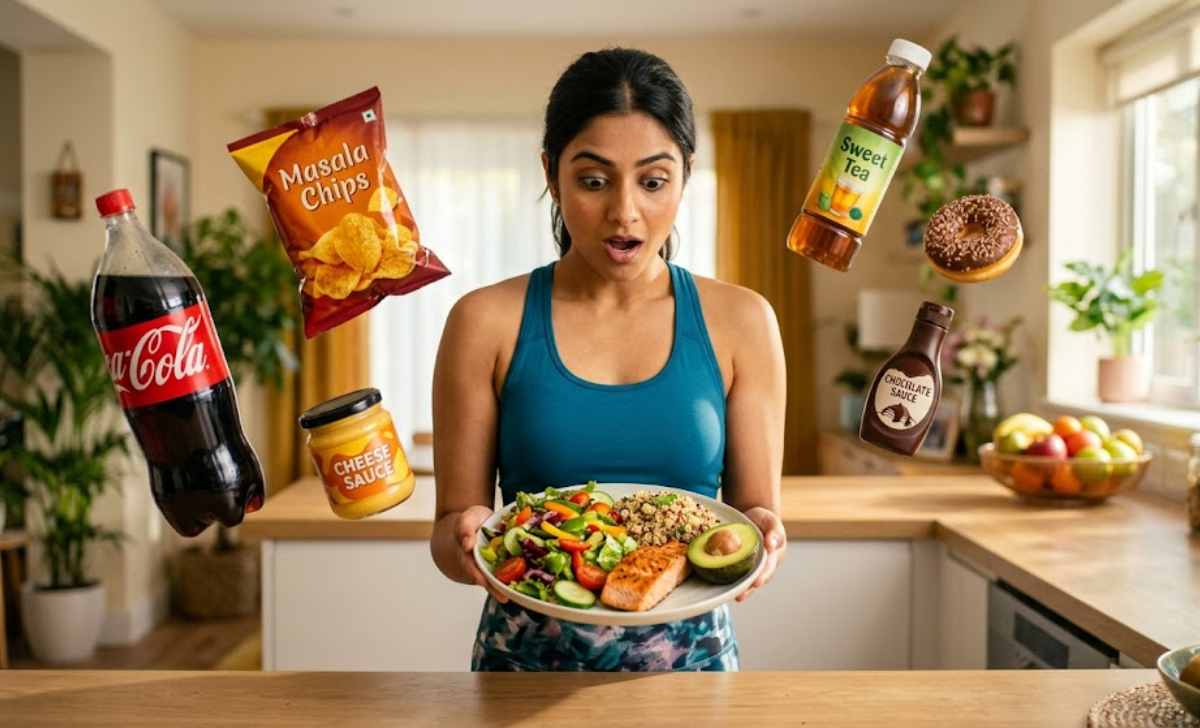
Also, keep your intake of oil, sugar, and processed foods low.
The Reality of the Journey
It is important to remember that no single food is a “magic pill.” Fat loss is the result of a consistent calorie deficit and a healthy lifestyle. However, by choosing these five foods, you make that deficit feel effortless.
When I started focusing on food quality rather than just “eating less,” everything changed. I had more energy for my training, my skin looked better, and the weight began to come off naturally. Start by adding just two of these foods to your daily routine this week. Small, sustainable changes are the secret to a transformation that actually lasts.
If you want sustainable fat loss, focus on quality over quantity. By including leafy greens, lean proteins, water-rich vegetables, fruits, and legumes in your diet, you can lose fat without feeling deprived.
Start small- add one or two of these foods to your daily routine, and you’ll notice the difference over time.
If you want a real-life example of simple fat loss without strict dieting, you can read How I Helped My Mom Lose 5kg in 30 Days Naturally Without Strict Diet or Gym!, where I explained practical steps that actually worked.
FAQs:
1. Can I eat as much of these foods as I want?
Even healthy foods have calories, so while you can eat large portions of greens, always keep an eye on your overall daily intake.
2. Is it necessary to stop eating rice or roti to lose fat?
No, you don’t need to quit them; just practice portion control by keeping them to a quarter of your plate.
3. Why should I choose whole fruits over fresh fruit juices?
Whole fruits contain essential fiber that keeps you full and prevents blood sugar spikes, which juices don’t do.
4. Will eating more protein make me look too muscular?
No, protein simply helps preserve your existing muscle and boosts your metabolism while you lose body fat.
5. Can I lose fat by only eating these 5 foods?
While these are powerhouses, a diverse diet ensures you get all the micronutrients your body needs to function optimally.
6. How long does it take to see results with this diet?
If you stay consistent, you’ll typically feel more energized in a few days and see physical changes within 2 to 4 weeks.
👇 Need Help?
Drop your:
- Weight
- Height
- Goal
in the comments, and I’ll help calculate your ideal calories 👇
And if this helped you, share it with someone trying to lose fat 💪
For more simple fitness tips, beginner-friendly workout plans, and easy habits that actually fit into a busy life, explore more blogs on AasthaFitVerse like Home Workout Plans, Fat Loss Diet Guides, and Daily Fitness Habits—everything is designed to help you stay consistent without stress