Measuring Key Health Metrics: Starting a fitness journey—whether at home or in the gym—is an exciting step toward a healthier lifestyle. Many people jump straight into workouts with full motivation, buying gym memberships, exercise equipment, or following online fitness routines. But there’s one important thing most beginners forget: measuring their body and health metrics before starting exercise.
Tracking factors like BMI, calories, body weight, body fat percentage, water intake, and fitness goals can make your journey smarter, safer, and more effective. Instead of guessing your progress, you’ll have real numbers to track improvement.
In this blog, we’ll discuss why measuring your body before starting workouts matters and the important things you should calculate before beginning exercise at home or the gym.
1. Calculate Your BMI Before Starting Exercise:
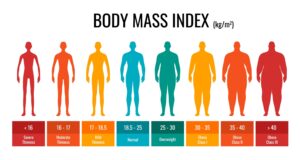
One of the first things you should measure is your Body Mass Index (BMI).
Body Mass Index helps estimate whether your weight falls into a healthy category based on your height and weight.
BMI Categories:
- Underweight: Below 18.5
- Normal Weight: 18.5 – 24.9
- Overweight: 25 – 29.9
- Obese: 30 and above
Knowing your BMI helps you understand where your body currently stands. For example:
- If your BMI is low, strength training and muscle gain may be more suitable.
- If your BMI is high, a combination of cardio and fat-loss workouts may help.
However, remember that BMI is just a starting point and not the complete picture of fitness.
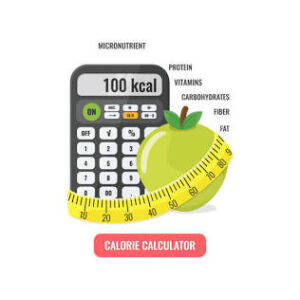
2. Count Your Daily Calorie Needs:
Before exercising, understanding how many calories your body needs is very important.
Your body burns calories even while resting. This is called your Basal Metabolic Rate (BMR), which estimates how many calories your body needs to maintain basic functions like breathing and digestion.
Once you know your calorie needs, you can set goals:
- Weight loss: Eat fewer calories than you burn
- Muscle gain: Eat slightly more calories with strength training
- Weight maintenance: Balance calorie intake and burn
Many beginners make the mistake of exercising hard while ignoring calorie intake. Without understanding calories, results often become slow and frustrating.
3. Measure Your Body Weight:
Checking your current weight gives you a starting point.
Don’t focus only on losing weight—fitness is also about gaining strength, endurance, and improving health.
Take note of:
- Current body weight
- Weekly changes
- Progress over time
Instead of weighing yourself every day, track it weekly to avoid unnecessary stress from daily fluctuations.
4. Measure Body Fat Percentage:
Many people believe weight alone defines fitness, but that’s not true.
Two people may weigh the same but have completely different body compositions.
Your body fat percentage tells you how much fat your body contains compared to muscle, bone, and water.
This measurement is especially useful because:
- You may lose fat even if your weight stays the same
- Muscle gain can increase body weight positively
- It provides a clearer picture of health progress
Fitness trackers and gym machines can often estimate body fat percentage.
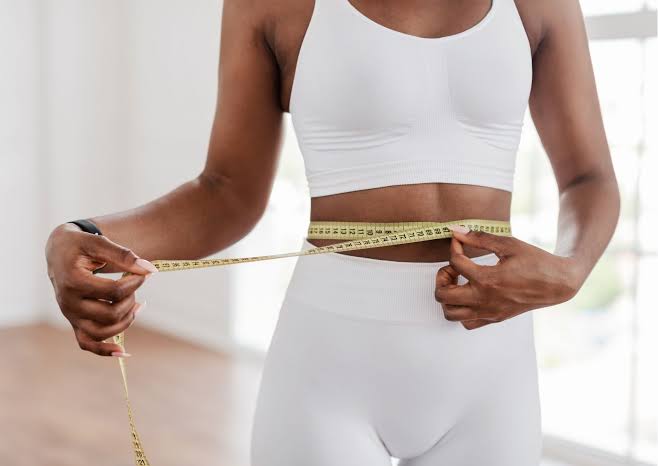
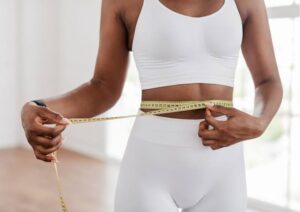
5. Track Your Waist, Chest, and Body Measurements:
Sometimes the weighing scale doesn’t tell the full story.
Body measurements can show visible progress even when weight changes slowly.
Measure:
- Waist size
- Chest size
- Arms
- Hips
- Thighs
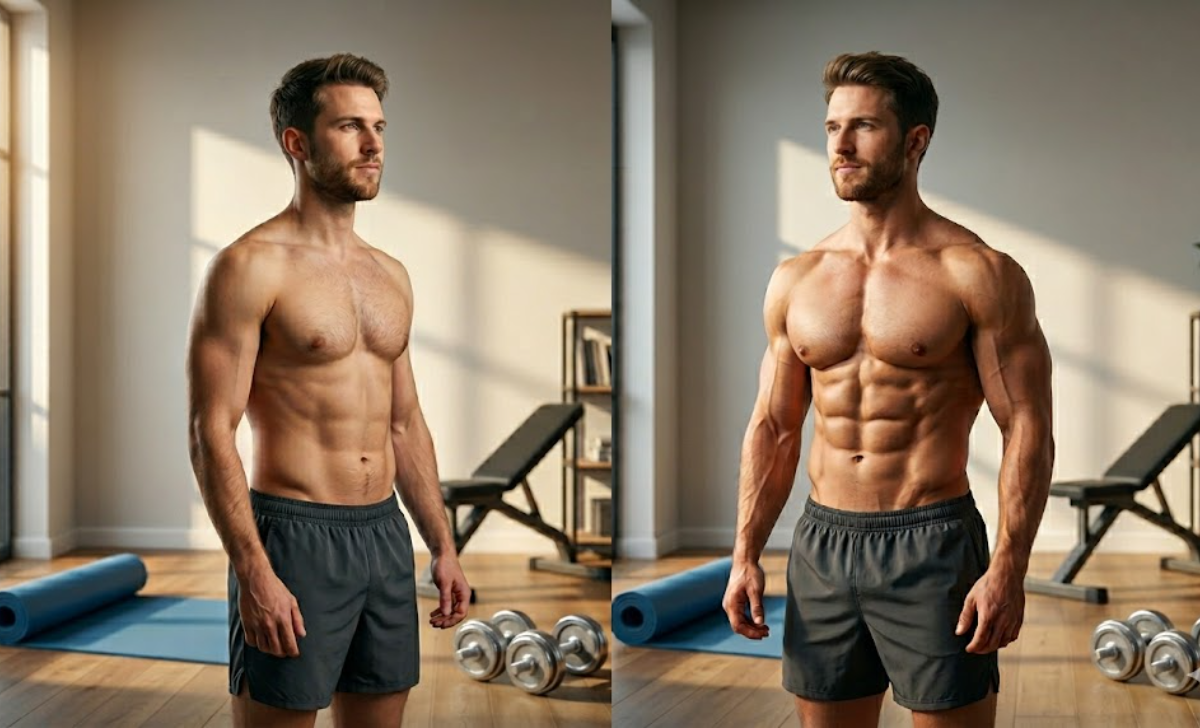
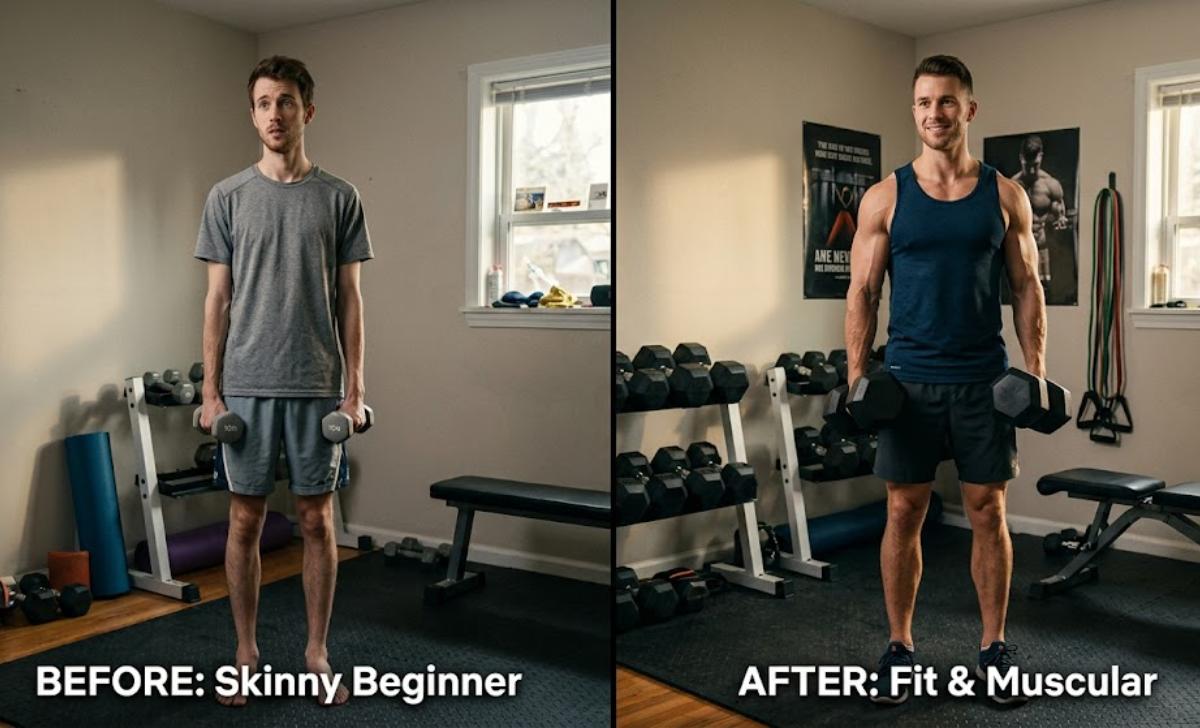
Taking photos before starting your fitness journey can also help you compare physical progress after a few months.
6. Check Your Fitness Level:
Before jumping into intense workouts, understand your current fitness level.
Ask yourself:
- Can you walk for 20–30 minutes comfortably?
- Can you do push-ups or squats?
- How flexible is your body?
This helps avoid injuries and overtraining.
For beginners, starting slow is always better than going too hard in the first week and quitting later.
7. Set Clear Fitness Goals:
One major reason people quit exercising is that they don’t have clear goals.
Instead of saying:
“I want to get fit.”
Try specific goals like:
- Lose 5 kg in 3 months
- Gain muscle
- Improve stamina
- Build strength
- Reduce belly fat
Clear goals make tracking easier and keep motivation high.
8. Monitor Water Intake and Sleep:
Fitness is not just about workouts.
Hydration and recovery play a huge role in performance.
Water Intake:
Your body needs enough water to:
- Prevent dehydration
- Improve workout performance
- Help muscle recovery
Sleep:
Poor sleep can:
- Slow recovery
- Reduce energy
- Affects fat loss and muscle gain
Aim for quality sleep to support your exercise routine.
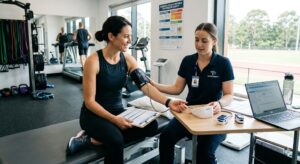
9. Consider Medical Conditions:
Before starting intense exercise, check for existing health issues such as:
Type 2 Diabetes, blood pressure issues, joint pain, or heart-related concerns.
If needed, consult a healthcare professional before beginning a heavy fitness routine.
This is especially important for beginners or people returning to exercise after a long break.
Starting exercise without measuring important health metrics is like driving without a map. Whether you plan to work out at home or join a gym, knowing your BMI, calorie needs, body weight, body fat percentage, fitness level, and goals helps create a smarter and more effective fitness plan.
Fitness is not about quick results—it’s about consistent progress. When you measure your starting point, you can actually see how far you’ve come.
So before lifting weights or beginning cardio, take some time to understand your body. A few simple measurements today can lead to better fitness results tomorrow.
 For more simple fitness tips, beginner-friendly workout plans, and easy habits that actually fit into a busy life, explore more blogs on AasthaFitVerse like Home Workout Plans, Fat Loss Diet Guides, and Daily Fitness Habits—everything is designed to help you stay consistent without stress
5 Common Muscle Building Mistakes at Home That Are Killing Your Gains (And How to Fix Them Fast)