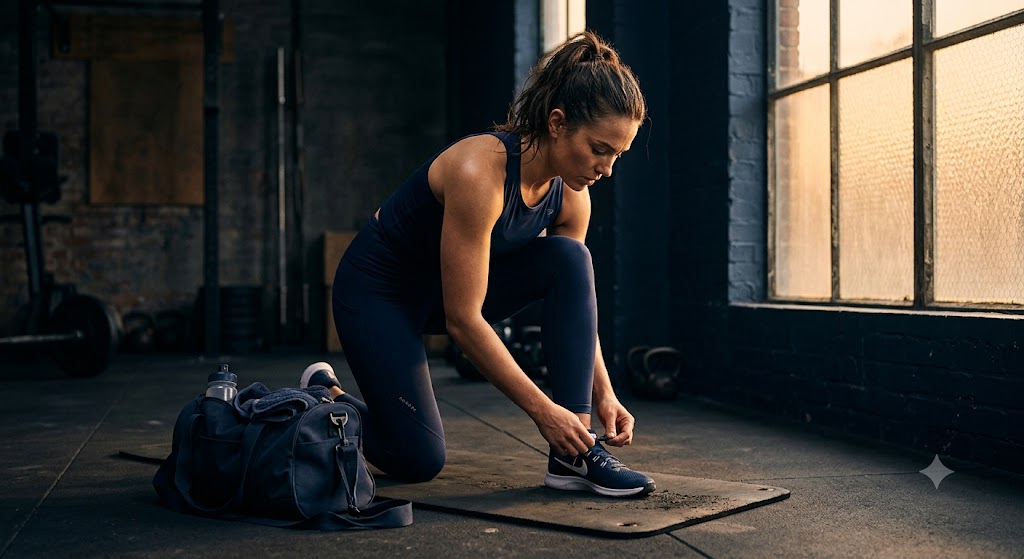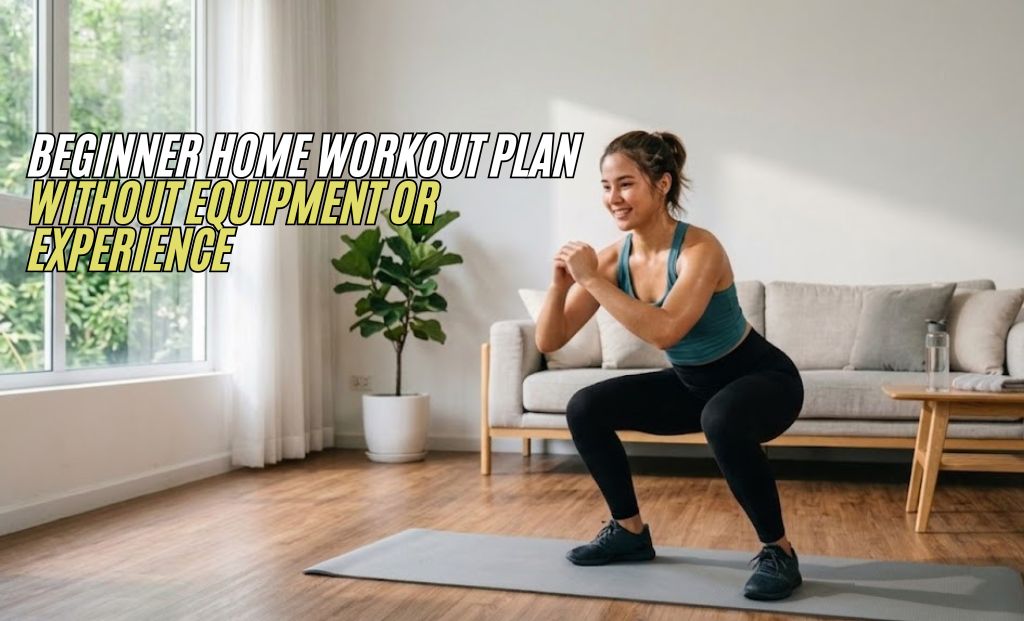
Beginner Home Workout Plan Without Equipment or Experience: Let me be honest with you. I am not a fitness coach. I am not a personal trainer with a certificate on my wall. I am just a regular person who started working out 10 years ago with literally nothing — no gym membership, no dumbbells, no fancy gear. Just me, my bedroom floor, and a lot of motivation (and some days, zero motivation, but that is a whole other story).
For the first 5 years of my fitness journey, everything I did was at home with no equipment at all. Bodyweight only. And it worked. It genuinely, actually worked.
Then, 5 years ago, I leveled up a tiny bit and got myself a small home gym setup — two 10 kg dumbbells and a barbell. That is it. Total cost? Way less than a gym membership. And my progress? It went up a lot.
But today I want to talk specifically to the beginners. The people who are exactly where I was 10 years ago — confused, a little scared, not knowing where to start. This blog is for you. Let me walk you through the exact plan that worked for me.
Why You Do Not Need a Gym to Get Started
This is the first thing I want you to understand. The gym is not the starting line. Your living room is.
When I started out, I kept telling myself — “I will start once I join a gym.” Months went by. I never joined. Then one day I just dropped to the floor and did 10 push-ups. That was it. That was day one.
You do not need equipment to build strength, burn fat, or feel a hundred times better in your own body. Your bodyweight is enough resistance to get real results, especially when you are just starting out. The goal in the beginning is not to lift heavy — it is to build the habit, learn the movements, and wake your body up.
Before You Start — A Few Simple Things to Keep in Mind
Before I share the plan, here’s what I wish someone had told me when I was starting out: Start slow. I know you want to jump in hard, but your first week should feel almost too easy. That’s the point. Consistency beats intensity every time. 15 minutes every day beats one brutal 2-hour session once a week. Rest days are not lazy days. Your body actually gets stronger when you rest. Take them seriously. Don’t compare yourself to anyone online. That fitness influencer has been doing this for years. You’re on day one. Be kind to yourself. Drink water. Sounds obvious. You’d be shocked how many people forget this.
The Beginner Home Workout Plan (No Equipment Needed)
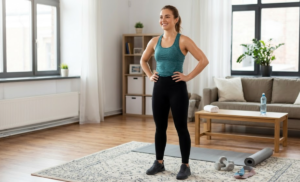
Here is the simple weekly plan I followed when I started. Nothing fancy. Just honest, consistent work.
Weekly Schedule Overview
| Day | Workout Type | Duration |
|---|---|---|
| Monday | Full Body Workout A | 25–30 mins |
| Tuesday | Rest or Light Walk | 20 mins walk |
| Wednesday | Full Body Workout B | 25–30 mins |
| Thursday | Rest | — |
| Friday | Full Body Workout A | 25–30 mins |
| Saturday | Active Recovery (stretching) | 15–20 mins |
| Sunday | Full Rest | — |
Simple. Three days of actual workout, some light movement on off days, and real rest built in. This is not a bootcamp. This is a sustainable start.
Workout A — The Classic Starter
Do each exercise one after the other. Rest 60 seconds between rounds. Do 3 rounds total.
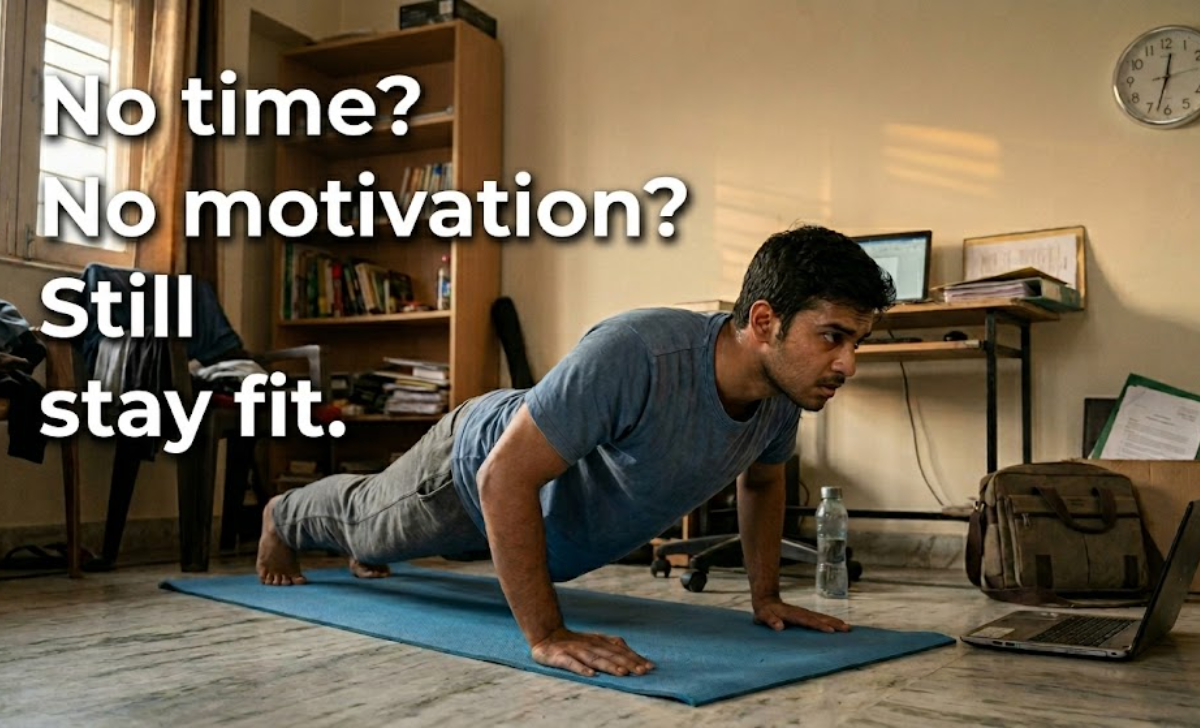
- Push-ups — 10 reps (start on knees if needed, no shame)
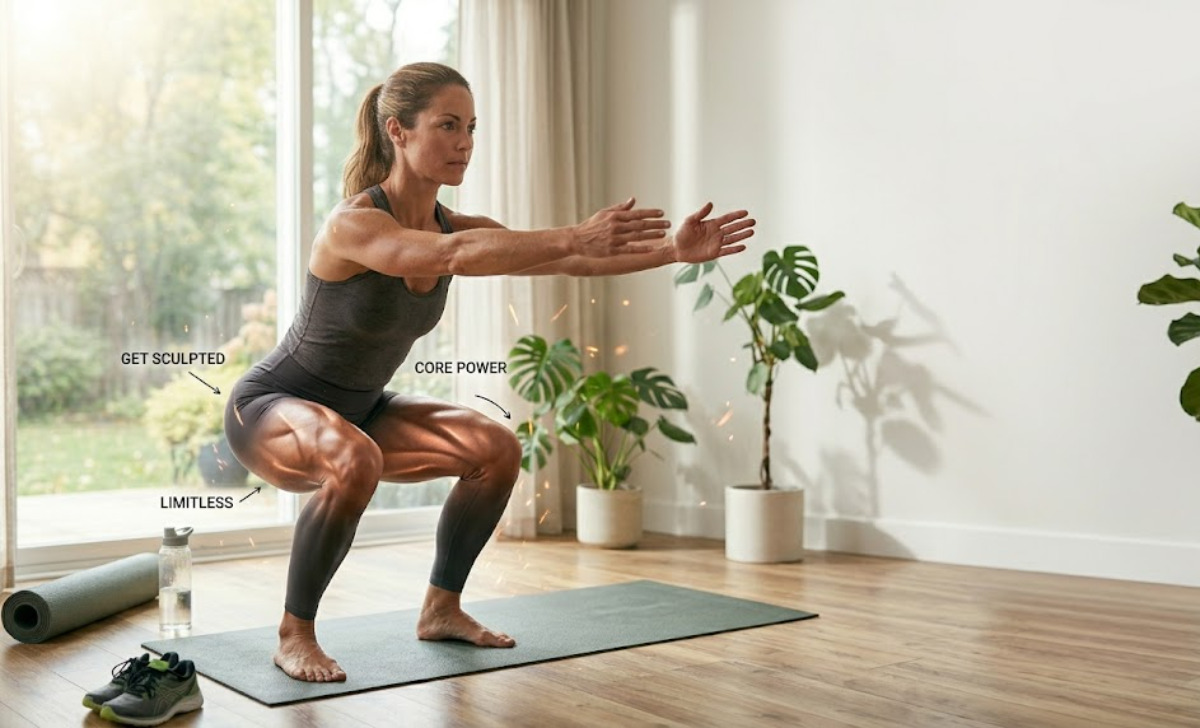
- Bodyweight Squats — 15 reps
- Plank Hold — 20 to 30 seconds
- Glute Bridges — 12 reps
- Mountain Climbers — 20 reps (10 each side)
That is it. The whole thing takes around 25 minutes with warm-up and cool-down. When I first did this, I was exhausted by round two. That told me my body needed it.
Workout B — Mix It Up
- Jumping Jacks — 30 seconds (warm-up)
- Reverse Lunges — 10 reps each leg
- Tricep Dips (using a chair) — 10 reps
- Superman Hold — 10 reps, hold 2 seconds each
- High Knees — 30 seconds
- Dead Bug — 10 reps each side
Again, 3 rounds, 60 seconds rest between rounds. Easy to follow, hits your whole body.
My personal tip: I used to watch a YouTube video once before trying a new exercise — just to see the movement. Even a 60-second demo can save you from doing it totally wrong for a week.
What I Ate During This Time (Spoiler: Nothing Crazy)

I didn’t go on any special diet. I didn’t count calories. I just made a few simple swaps — more water, more home-cooked meals, fewer late-night biscuits (okay, slightly fewer). Eating normally but a bit more mindfully made a real difference in how I felt during workouts. You don’t need to overhaul your diet to start seeing results from exercise. But if you’re moving your body more, it makes sense to fuel it a bit better too.
How I Progressed Over Time
Here is the real talk. The first month felt hard. The second month felt easier. By month three, I needed to make things harder — more reps, less rest, harder variations.
That is the secret of bodyweight training. It scales with you. Push-ups too easy? Do decline push-ups. Squats boring? Try jump squats or Bulgarian split squats. Your body adapts, and you adapt the workout.
By year two, I was doing 100 push-ups a day split into sets, full pistol squats, and handstand holds against the wall. All from zero. All at home.
When I Added the Home Gym Setup (5 Years In)
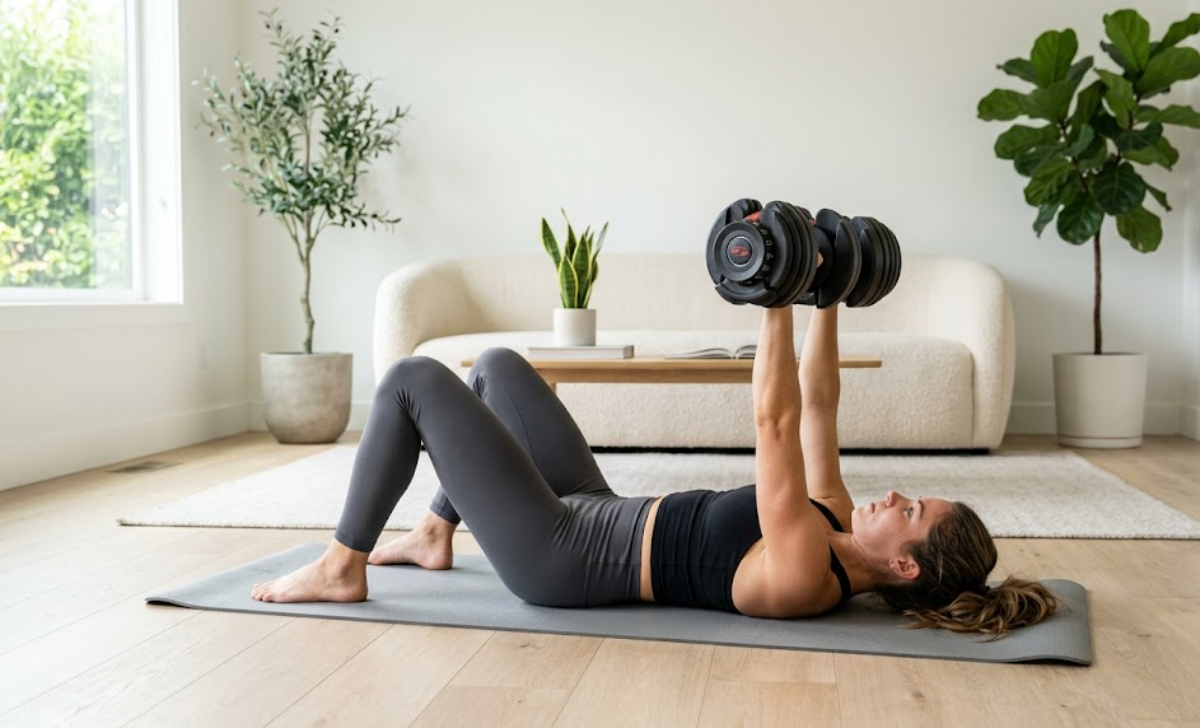
After 5 years of pure bodyweight work, I decided to get a small setup. I went with two 10 kg dumbbells and a basic barbell. That is a 20 kg total home gym, and honestly? It changed the game again.
Suddenly I could do:
- Dumbbell rows for my back
- Overhead press for shoulders
- Romanian deadlifts for hamstrings and glutes
- Barbell squats for overall leg strength
The bodyweight foundation I had built made picking up these movements so much easier. I already had the body control, the core strength, and the joint stability. The weights just added load on top of a solid base.
If you are a complete beginner, please do not rush to buy equipment. Build your base first. The dumbbells will still be there when you are ready.
Tips That Helped Me Stay Consistent for 10 Years
I want to give you the honest stuff, not the motivational poster stuff.
Start embarrassingly small. Do not go in trying to prove yourself. I started with 10 push-ups. That is it. Small wins build real momentum.
Same time every day. I worked out right after waking up. No decision needed. It just became what I do in the morning.
Track your reps. Writing down what you did last session means you always know what to beat today. Progress feels good. It keeps you coming back.
Bad days count too. Some days I did one round instead of three. That still counted. Half a workout beats zero workout every single time.
Recovery is part of the plan. Sleep, water, and food matter more than the workout itself. I learned this the hard way by overtraining in year one.
 You can also read How to Stay Consistent with Fitness for Beginners at Home (Even With a Busy Job & No Motivation) for simple tips that helped me stay regular with workouts at home.
Common Beginner Mistakes to Avoid
I made all of these, so you do not have to:
- Skipping warm-up and going straight into push-ups (hello, wrist pain)
- Doing workouts 6 days a week right from the start
- Comparing yourself to fitness people on social media
- Changing the plan every week because something “better” looked good online
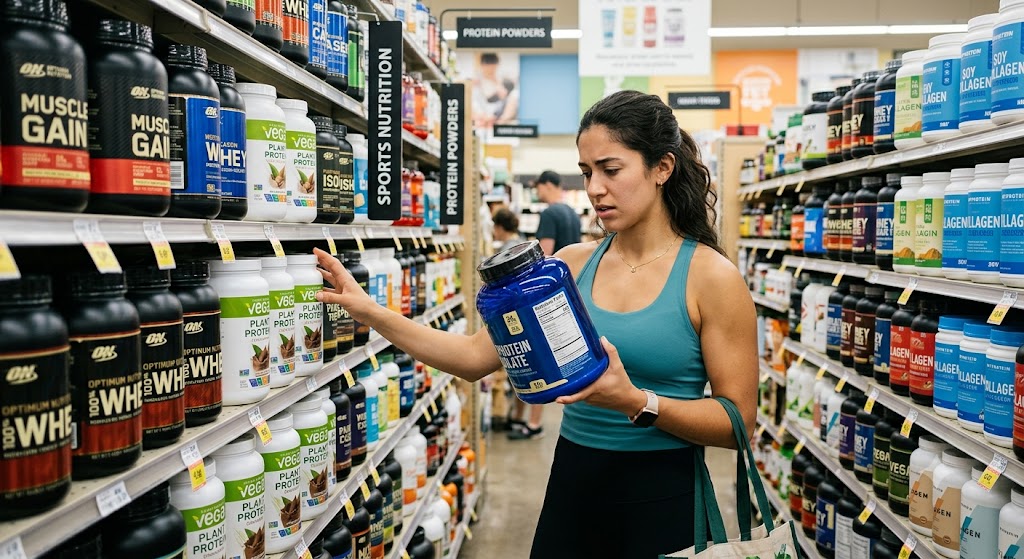
- Forgetting to eat enough protein (your muscles need it to grow)
You can also read this: No Gym? No Problem! Easy Beginner Home Workout Routine for Weight Loss and Strength for a simple home workout plan.
Frequently Asked Questions (FAQs)
Q1. Can a complete beginner really see results from home workouts?
Yes, absolutely. Bodyweight training builds real muscle and burns real fat. The first 3 to 6 months of consistent bodyweight training will give you visible changes in strength, endurance, and even how your body looks. I saw real changes within 8 weeks when I started — and I was not even being super strict with my diet.
Q2. How many days a week should a beginner work out at home?
Three days a week is the sweet spot for beginners. It gives you enough stimulus to see progress while allowing your body to recover properly. More is not always better when you are just starting out. Recovery is where the actual growth happens.
Q3. Do I need to warm up before a home workout?
Yes, please. A 5-minute warm-up saves you from a lot of pain. I skipped warm-ups for the first few months and paid for it with sore wrists and tight hips. Just do some arm circles, leg swings, hip rotations, and a few jumping jacks. Your joints will thank you.
Q4. Is bodyweight training good enough or do I need weights eventually?
Bodyweight training alone can take you really, really far — especially in the first 2 to 4 years. I did it for 5 years before touching weights. Once progress slows down or you want to focus more on specific muscle groups, adding a simple dumbbell set makes sense. But it is not a must-have on day one.
Q5. What should I eat when starting a home workout routine?
You do not need a complicated meal plan to start. Focus on eating enough protein (eggs, lentils, chicken, paneer, curd — whatever works for you), drinking enough water, and not skipping meals. As a beginner, your nutrition does not need to be perfect. It just needs to be consistent and reasonable.
Q6. How long before I see results from a beginner home workout plan?
Most beginners notice improvements in energy and strength within 2 to 3 weeks. Visible physical changes usually start showing up between 6 to 10 weeks of consistent training. The key word is consistent. Three workouts a week, done week after week, beats a perfect plan done for 10 days and then abandoned.
Final Thoughts From Someone Who Has Been Doing This for 10 Years
If I could go back and tell myself one thing on day one, it would be this: just start, and keep it simple.
You do not need a gym. You do not need a trainer. You do not need a special diet or expensive gear. You need a plan you can actually follow, and the willingness to show up even on the days you do not feel like it.
That is how I built 10 years of consistency. That is how the first 5 years of bodyweight work turned into a strong foundation that made adding weights feel natural. And that is exactly how this plan can work for you too.
Start today. Your bedroom floor is waiting.
Have questions about starting your home workout journey? Drop them in the comments — I actually read them all and reply.
For more simple fitness tips, beginner-friendly workout plans, and easy habits that actually fit into a busy life, explore more blogs on AasthaFitVerse like Home Workout Plans, Fat Loss Diet Guides, and Daily Fitness Habits—everything is designed to help you stay consistent without stress