Best Supplement Stack for Women: When it comes to women’s fitness, supplements can be useful—but they should support a good diet, proper training and adequate sleep, not replace them. There is no single “perfect” supplement stack for every woman because nutritional requirements can vary with age, diet, training, menstrual status and life stage. Research on female athletes also suggests that adequate energy and nutrition should come before supplementation.
If your goal is muscle gain, better gym performance, recovery, energy and overall health, a simple evidence-based supplement stack can be much more effective than taking dozens of products.
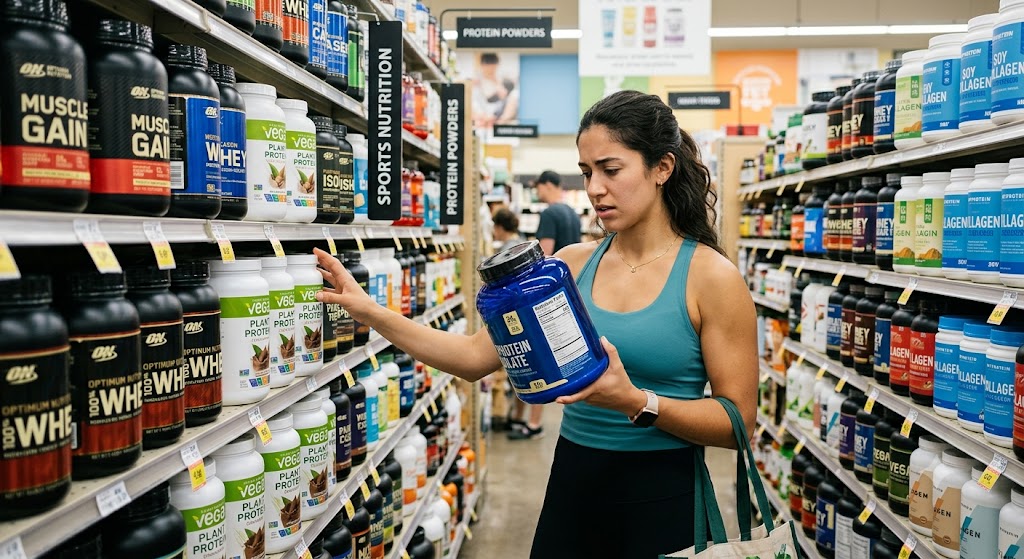
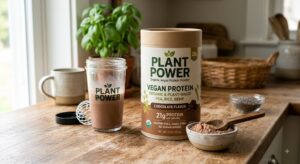
1. Protein Powder:
Protein is the foundation of a fitness-focused supplement stack. Women who struggle to get enough protein through food can use whey, casein or a quality plant-based protein powder.
Protein provides the amino acids required for muscle repair and growth, making it particularly useful when combined with resistance training. A practical target for many exercising individuals is around 1.4–2.0 grams of protein per kilogram of body weight per day, depending on goals and training demands.
A protein shake can be especially convenient after training or between meals.
Best choice: Whey protein for those who tolerate dairy; soy, pea or blended plant protein for vegetarian or vegan diets.
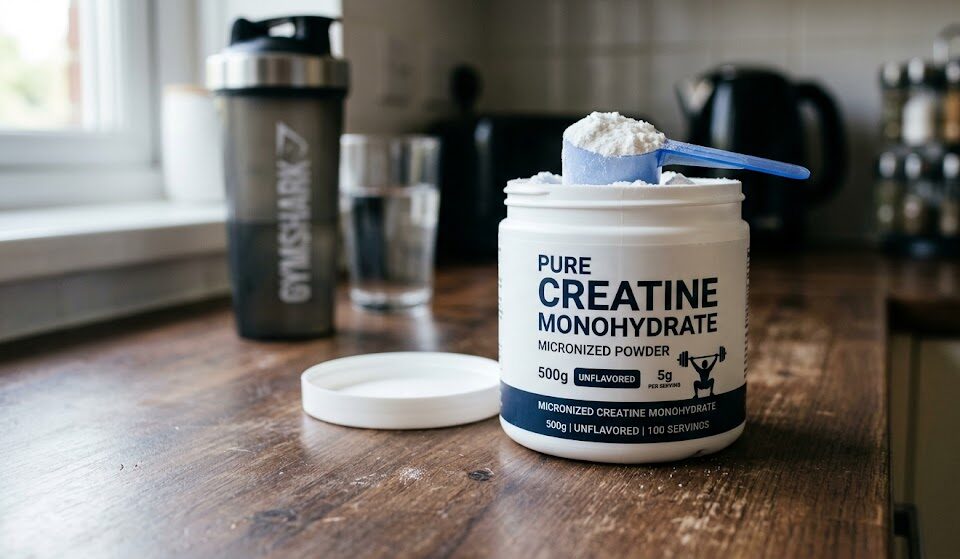
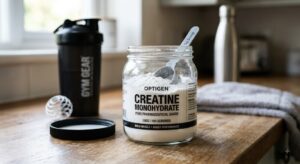
2. Creatine Monohydrate:
Creatine is one of the most researched sports supplements and is not just for men. Evidence specifically discussing female athletes identifies creatine as one of the supplements with the strongest support for women.
Creatine can help improve high-intensity exercise performance, strength and training adaptations. It may also support increases in lean muscle mass when combined with resistance training.
A simple approach is 3–5 grams of creatine monohydrate daily. There is generally no need for complicated cycling.
Best choice: Plain creatine monohydrate from a reputable manufacturer.
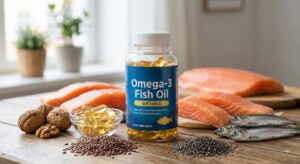
3. Omega-3 Fatty Acids:
Omega-3s, particularly EPA and DHA, can be useful for people whose diets are low in oily fish. They are important components of cell membranes and play roles in normal cardiovascular and brain function.
Women who rarely eat fatty fish may consider an omega-3 supplement. Vegetarians and vegans can also choose algae-based DHA/EPA products.
Look at the label for the actual EPA + DHA content, rather than judging the product only by the total amount of fish oil.
4. Vitamin D:
Vitamin D is important for bone health and normal muscle function. However, taking high doses simply because “everyone needs vitamin D” is not a good strategy.
A supplement may be particularly useful when dietary intake and sun exposure are inadequate or when testing shows low vitamin D levels. The appropriate dose depends on individual circumstances.
For people considering supplementation, checking vitamin D status with a healthcare professional can provide a much better starting point than guessing.

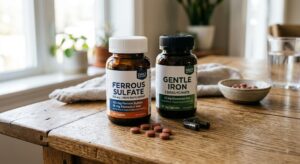
5. Iron – Only When Needed:
Iron deserves special attention in women because menstrual blood loss can increase the risk of iron deficiency, particularly in women with heavy periods.
Low iron status can be associated with fatigue and reduced exercise capacity. However, iron should not automatically be included in every woman’s supplement stack.
Taking unnecessary iron can cause side effects and excessive iron can be harmful. Ideally, supplementation should be based on medical advice and appropriate blood tests.
This is one supplement where “more” definitely does not mean “better.”
6. Calcium:
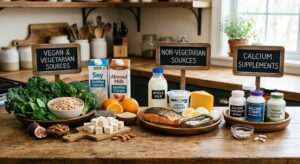
Calcium is essential for maintaining strong bones and normal muscle function. Women should first aim to obtain sufficient calcium from foods such as dairy products, fortified plant milks, tofu and other calcium-rich foods.
A calcium supplement can be considered when dietary intake is insufficient or when recommended by a healthcare professional.
Calcium requirements can become particularly important during later life when maintaining bone health becomes a bigger priority.
7. Magnesium:
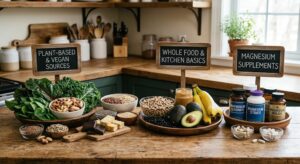
Magnesium contributes to normal muscle and nerve function and is involved in numerous processes throughout the body.
Some women may benefit from supplementation when their dietary intake is inadequate. However, magnesium supplements are not a magic solution for sleep, stress, weight loss or muscle cramps.
Food sources such as nuts, seeds, legumes, whole grains and leafy green vegetables should remain part of the diet.
8. Multivitamin:
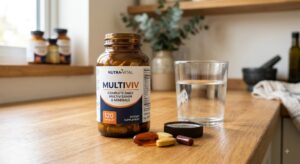
A multivitamin can act as a nutritional safety net, particularly for women with restrictive diets, low food variety or increased nutritional requirements.
However, it should not be considered a replacement for fruits, vegetables, whole grains, protein-rich foods and healthy fats.
Choose a reputable product that provides reasonable amounts of nutrients rather than extremely high doses of multiple vitamins and minerals. The NIH Office of Dietary Supplements provides detailed fact sheets on individual vitamins, minerals and other dietary supplements.
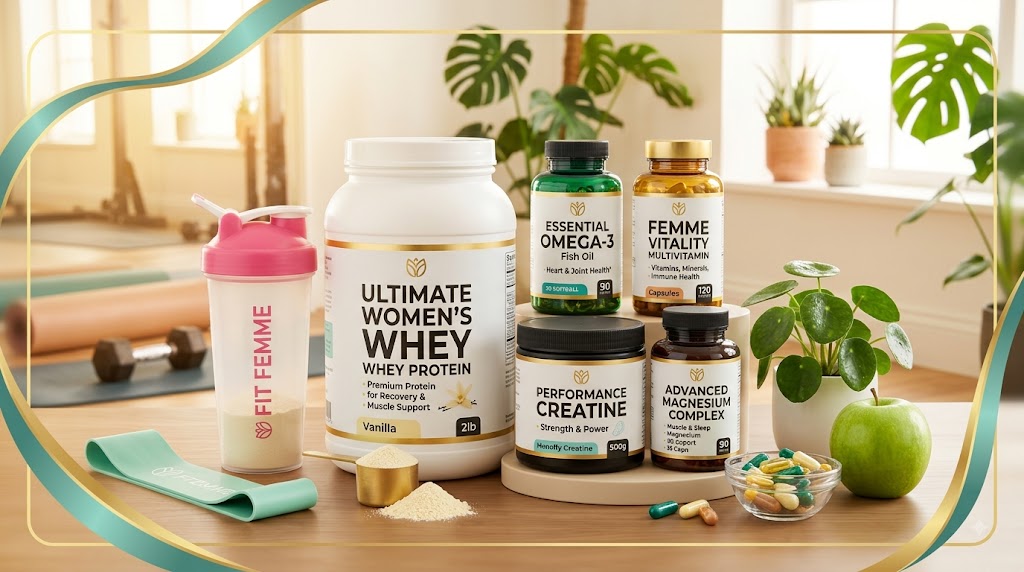
A Simple Women’s Supplement Stack:
For a healthy woman who regularly trains at the gym, a practical basic stack could look like this:
Daily foundation:
- Protein powder — as needed to meet daily protein requirements
- Creatine monohydrate — 3–5 g daily
- Omega-3 — if dietary fish/omega-3 intake is low
- Vitamin D — when intake or blood levels indicate a need
Conditionally useful:
- Iron — only when deficiency or increased need is confirmed
- Calcium — when dietary intake is inadequate
- Magnesium — when dietary intake is insufficient
- Multivitamin — when diet quality or variety is limited
What About Fat Burners and “Women’s Hormone” Supplements?
Be cautious with products marketed specifically as female fat burners, hormone boosters, detox supplements or metabolism pills. Attractive marketing does not necessarily mean strong scientific evidence.
Many women can make excellent progress without pre-workouts, fat burners, BCAA products or complicated hormone-support formulas.
The best supplement stack is usually the smallest stack that solves an actual nutritional or performance need.
Supplements can make a good fitness program better, but they cannot compensate for poor nutrition, inadequate protein, inconsistent training or insufficient sleep.
For most women focused on fitness, protein powder and creatine monohydrate are among the most practical performance-oriented choices. Vitamin D, omega-3, iron, calcium and magnesium should be considered according to diet, lifestyle and individual nutritional needs rather than automatically added to every stack. Research on female athletes also emphasizes that adequate energy intake should come before relying on supplements.
Before starting supplements—especially iron, high-dose vitamins or minerals—women who are pregnant, breastfeeding, taking medication or managing a medical condition should speak with a qualified healthcare professional.
For more simple fitness tips, beginner-friendly workout plans, and easy habits that actually fit into a busy life, explore more blogs on AasthaFitVerse like Home Workout Plans, Fat Loss Diet Guides, and Daily Fitness Habits—everything is designed to help you stay consistent without stress 
What Does Vitamin B12 Do to Your Body? Benefits, Deficiency Symptoms, and Best Sources