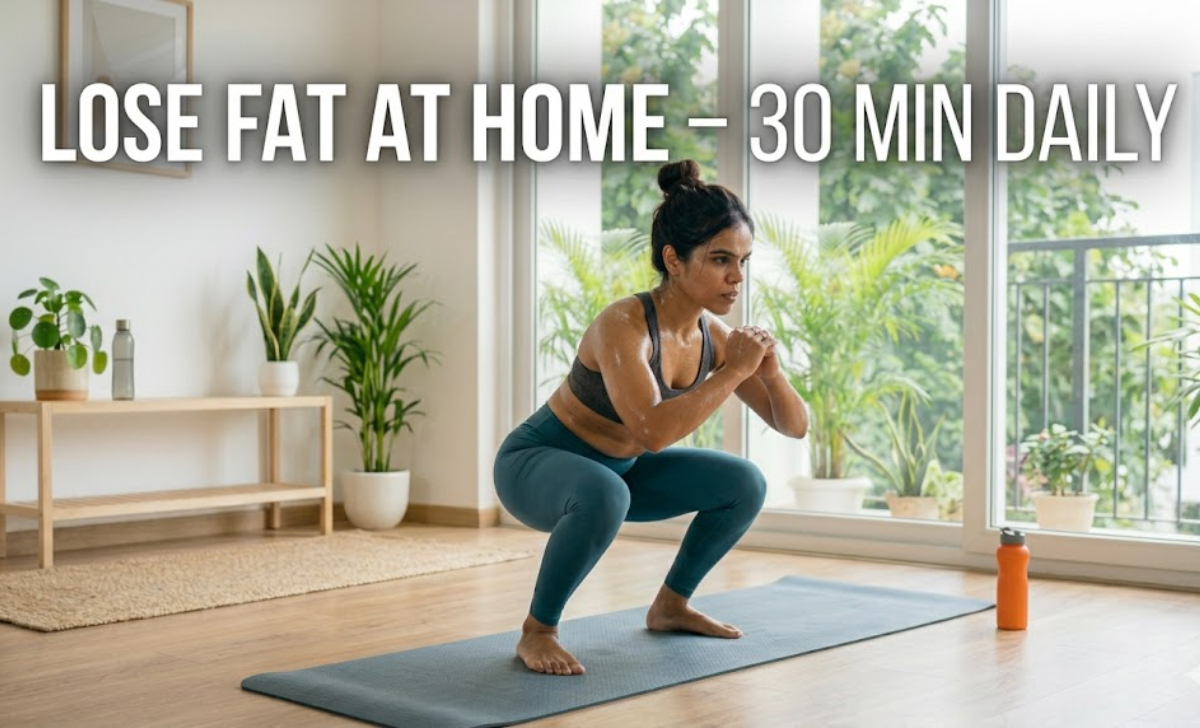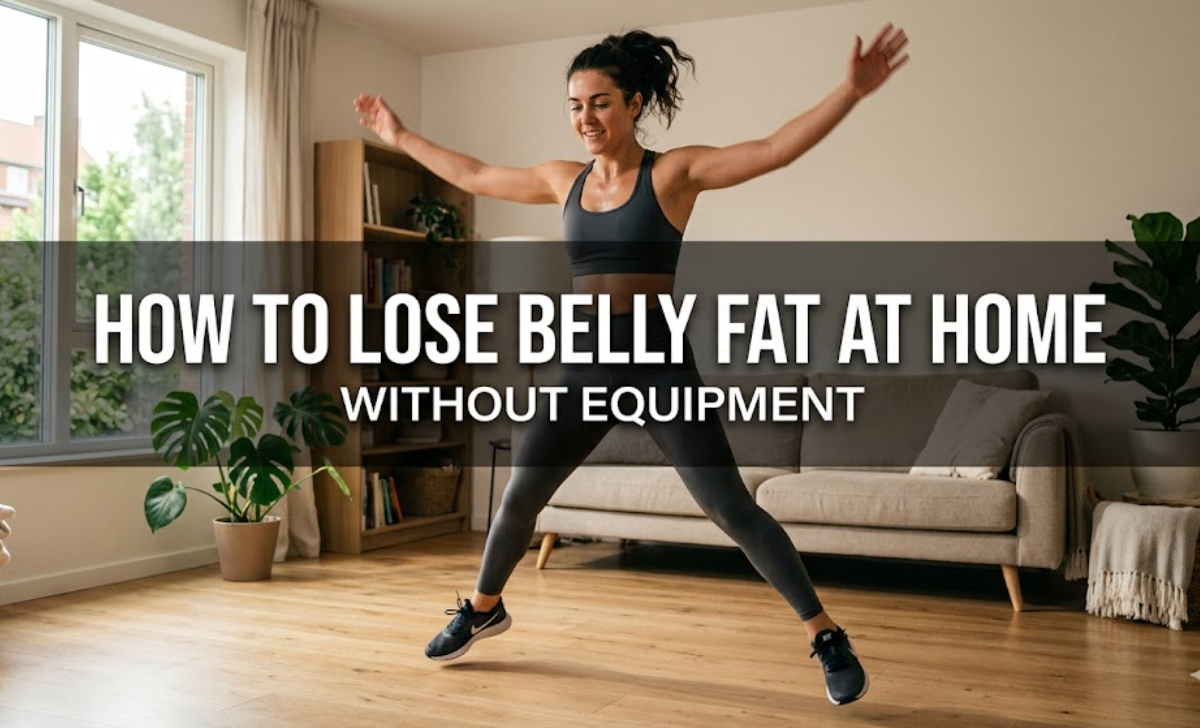
Fat Loss Tips for Women Over 30:
Turning 30 changes a lot of things. Your career picks up pace, your responsibilities multiply, and somewhere in the middle of all that, your body starts responding differently to the same workouts and diets that used to work in your twenties. If you have noticed the fat loss process getting slower, stubborn belly fat sticking around, or your energy dipping despite eating “clean,” you are not imagining it. There are real physiological shifts happening, and understanding them is the first step to working with your body instead of against it.
This guide breaks down what actually changes after 30, and gives you practical, sustainable strategies to lose fat without crash dieting or burning yourself out.
Why Fat Loss Gets Harder After 30

Your Metabolism Slows Down
Starting in your early thirties, your resting metabolic rate begins a gradual decline. This does not mean your body becomes an inefficient calorie burning machine overnight, but it does mean the margin for error shrinks. The habits that once had no visible effect, like an extra snack here or a skipped workout there, start showing up on the scale faster than before.
Hormonal Shifts Begin
Estrogen and progesterone levels start fluctuating in your thirties, years before actual menopause begins. These hormones influence where your body stores fat, how it regulates blood sugar, and how hungry you feel throughout the day. Many women notice fat starts shifting toward the belly area during this phase, a pattern that is quite different from the hip and thigh storage that was common in the twenties.
Muscle Mass Naturally Declines
Without intentional strength training, adults lose a small percentage of muscle mass every decade starting around age 30. Since muscle tissue burns more calories at rest than fat tissue, this loss quietly lowers your daily calorie burn even if your activity level and eating habits stay exactly the same as before.
Stress and Sleep Take a Bigger Toll
Cortisol, the primary stress hormone, becomes more disruptive to fat loss as you age. Chronic stress and poor sleep elevate cortisol levels, which can increase abdominal fat storage and drive cravings for sugary, high calorie foods, creating a cycle that is hard to break without addressing the root cause.
None of this means fat loss becomes impossible after 30. It simply means the approach needs to be smarter and more intentional, not necessarily harder or more extreme.
1. Prioritize Strength Training Over Cardio Alone
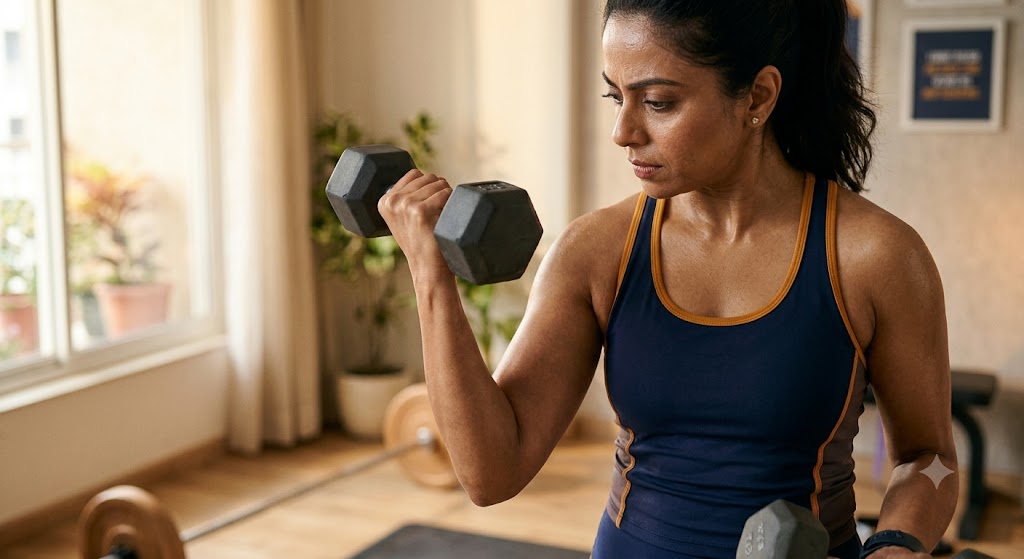
If there is one habit that makes the biggest difference for women over 30, it is lifting weights. Strength training does three things that cardio alone cannot do as effectively. It preserves and builds muscle mass, it keeps your metabolism elevated even after the workout ends, and it improves bone density, which becomes increasingly important as estrogen levels shift over time.
Aim for at least three strength sessions a week, focusing on compound movements like squats, deadlifts, rows, and presses. You do not need a gym membership to get started. A simple Push Pull Legs split using dumbbells at home can be just as effective when programmed correctly and followed consistently. If you want a structured plan for this, check out our home dumbbell workout guide for a full breakdown of exercises and weekly progressions.
 And if your goal is to gain muscle without getting fat, this lean bulking guide for beginners explains a simple way to eat and train smart at home.
2. Eat Enough Protein, Every Single Day
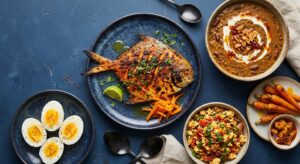
Protein is the single most underrated nutrient for fat loss, especially past 30. It preserves lean muscle while you are in a calorie deficit, keeps you fuller for longer, and has a higher thermic effect than carbs or fat, meaning your body actually burns more calories digesting it.
A practical target for most active women is between 1.6 and 2.2 grams of protein per kilogram of body weight daily. That might sound like a lot, but spreading it across three to four meals makes it far more manageable than it seems. Eggs, paneer, Greek yogurt, dal, chicken, and fish are all excellent sources. If you are unsure how to structure your meals around this, our high protein diet plan post lays out sample meal combinations for both vegetarian and non vegetarian eaters.
If you want to build muscle faster, this high protein diet plan for muscle gain gives you a simple daily meal guide for veg, non-veg, and vegan options.
3. Stop Fearing Carbs, Especially Rice
A lot of women over 30 cut out rice and other carbs entirely, thinking it is the fastest route to fat loss. In reality, carbohydrates fuel your workouts and support recovery, and cutting them too aggressively often backfires through binge eating or extreme fatigue later in the day. The key is portion and timing, not complete elimination. We cover this in detail in our article on rice and weight loss, which breaks down exactly how to include it without derailing your overall progress.
4. Track Your Intake, At Least for a While
You do not need to count calories forever, but doing it for a few weeks gives you priceless information about your actual eating patterns. Most people underestimate their intake by a significant margin, especially when it comes to cooking oil, snacks, and beverages. Using a simple calorie tracking app for a month can reveal exactly where your extra calories are hiding. Once you understand your patterns, you can loosen the tracking and rely more on intuition and portion awareness.
If you’re unsure whether you’re actually in a calorie deficit, start with How Many Calories Should You Eat to Lose Fat? (Simple Calculator Guide) before deciding how much cardio you need each week.
5. Manage Stress Like It Is Part of Your Fitness Plan

Since cortisol plays such a direct role in fat storage after 30, managing stress is not optional, it is a core part of your fat loss strategy. This does not mean you need to meditate for an hour daily. Simple, consistent practices work better than occasional intense ones. A ten minute walk after meals, five minutes of deep breathing before bed, or even just stepping away from your phone an hour before sleep can meaningfully lower cortisol levels over time.
6. Fix Your Sleep Before You Fix Your Diet
Poor sleep disrupts the hormones that regulate hunger, ghrelin and leptin, making you hungrier and less satisfied by food the next day. It also reduces your willpower and increases cravings for quick energy foods like sugar and refined carbs. Aim for seven to eight hours of quality sleep every night. Keep a consistent sleep and wake time, avoid screens right before bed, and keep your room cool and dark. This one change alone often makes fat loss noticeably easier to sustain.
7. Do Not Skip Recovery
Many women over 30 fall into the trap of thinking more exercise always equals more fat loss. Past a certain point, this stops being true. Overtraining without adequate recovery raises cortisol, increases injury risk, and can stall fat loss entirely rather than accelerate it. Make sure you are eating enough recovery supportive foods, particularly protein and anti inflammatory nutrients found in foods like fatty fish, berries, and leafy greens. Our post on muscle recovery foods goes deeper into what to eat after intense training sessions to bounce back faster.
8. Consider Creatine as a Simple, Well Researched Addition
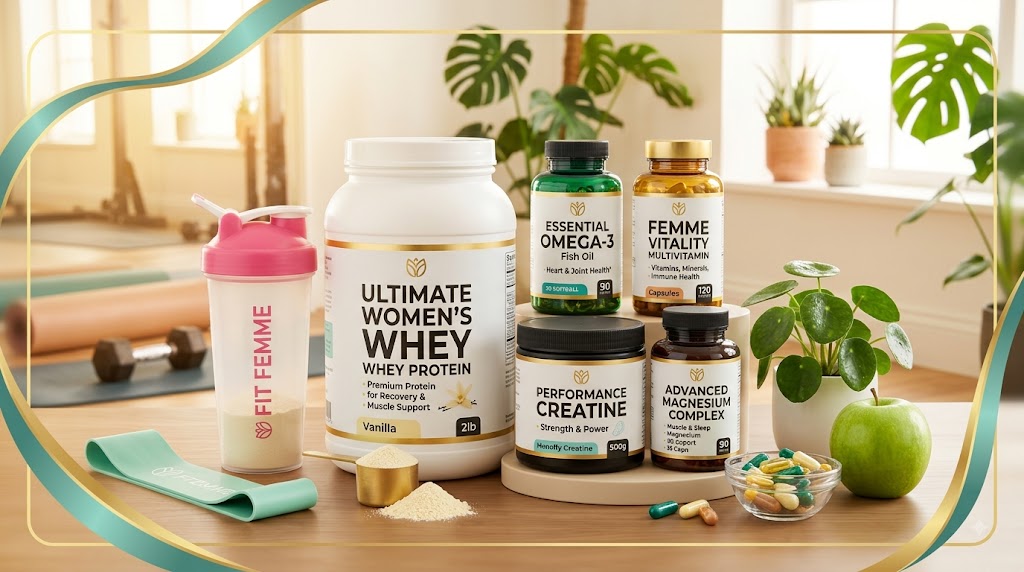
Creatine is one of the most studied supplements in fitness, and it is not just for bodybuilders. Research shows it can support strength gains, muscle retention, and even cognitive function, all of which matter more as you age. It is inexpensive, safe for long term use, and easy to add to your daily routine. If you want to understand exactly how and why it works, our detailed guide on creatine explains the science in simple, practical terms.
Also Read: Should You Take Creatine? A Complete Guide for Men and Women
9. Walk More Than You Think You Need To

Non exercise activity thermogenesis, often called NEAT, refers to all the calories you burn through daily movement that is not structured exercise. Walking to the market, taking the stairs, pacing while on a call, all of it adds up over the course of a day. For women over 30 juggling work and family responsibilities, formal workout time is often limited, so NEAT becomes a powerful lever you can pull without needing extra hours. Aim for at least seven to eight thousand steps daily as a baseline, and increase gradually if fat loss stalls.
10. Be Patient and Consistent Over Being Extreme
The biggest mindset shift required after 30 is trading intensity for consistency. Extreme diets and punishing workout schedules might show fast results initially, but they are rarely sustainable, and the fat often returns once the extreme phase ends. A moderate calorie deficit combined with strength training, adequate protein, and good sleep will take slightly longer to show visible results, but those results tend to stick because the underlying habits themselves are livable for the long term.
Common Mistakes to Avoid
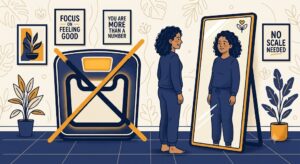
Many women unknowingly sabotage their own progress by making a few repeated mistakes. Relying only on the weighing scale as a measure of success ignores muscle gain and water fluctuations, which can mask real fat loss. Doing endless cardio while ignoring strength work leads to a smaller, softer version of the same body rather than a stronger, leaner one. Cutting calories too aggressively slows metabolism further and often triggers binge cycles. And comparing your journey to a twenty something’s timeline sets unrealistic expectations that lead to frustration and giving up too early.
Sample Daily Structure for Fat Loss After 30
Morning: A protein rich breakfast such as eggs or Greek yogurt with fruit, followed by a short walk if possible before starting the day.
Midday: A balanced lunch with a lean protein source, a portion of rice or roti, and a generous serving of vegetables.
Afternoon: Strength training session, three to four times a week, focused primarily on compound lifts and progressive overload.
Evening: A lighter dinner with protein and vegetables, eaten at least two hours before bed to support better digestion and sleep.
Throughout the day: Ten minutes of stress relief practice, consistent water intake, and a step goal of seven thousand or more.
This is a template, not a rigid rulebook. The goal is to build a rhythm you can realistically maintain for months, not just a few days.
Frequently Asked Questions
Is it harder to lose fat after 30 compared to your twenties? It can feel harder because of the metabolic slowdown, hormonal shifts, and gradual muscle loss described above. However, harder does not mean impossible. With the right combination of strength training, protein intake, and recovery, women over 30 consistently achieve strong fat loss results.
How long should it take to see visible changes? Most women start noticing changes in energy and how their clothes fit within four to six weeks of consistent effort, while visible fat loss on the scale or in photos typically becomes clear around the eight to twelve week mark. Patience during the early weeks is essential since the internal changes often happen before the visible ones.
Do I need a gym membership to lose fat effectively? Not necessarily. A pair of adjustable dumbbells and a consistent Push Pull Legs style routine at home can deliver excellent results, especially when combined with good nutrition and daily movement. A gym does offer more equipment variety, but it is not a requirement for meaningful progress.
Should I do fasted cardio to lose fat faster? Fasted cardio is not inherently superior for fat loss. What matters far more is your total calorie balance across the day and your ability to sustain training intensity, which is often better when you have eaten something beforehand. Choose whatever approach lets you train consistently and feel your best.
Is intermittent fasting a good option for women over 30? Intermittent fasting can work for some women, but it is not required for fat loss and can sometimes worsen hormonal symptoms if done too aggressively, particularly during high stress periods. It is worth experimenting cautiously and paying attention to how your energy, mood, and sleep respond rather than following it purely for trend reasons.
Final Thoughts
Fat loss after 30 is absolutely achievable, but it requires a shift from the aggressive, quick fix mindset that often works in your twenties toward a more strategic, hormone aware approach. Strength training, sufficient protein, quality sleep, and stress management form the real foundation, not any single trendy diet or workout fad. The body you have at 30 and beyond deserves patience and respect, not punishment. Build these habits one at a time, stay consistent through the slow weeks, and the results will follow, not overnight, but reliably and sustainably.
Strength. Discipline. Results. That is the process, and it works at every age.
For more simple fitness tips, beginner-friendly workout plans, and easy habits that actually fit into a busy life, explore more blogs on AasthaFitVerse like Home Workout Plans, Fat Loss Diet Guides, and Daily Fitness Habits—everything is designed to help you stay consistent without stress