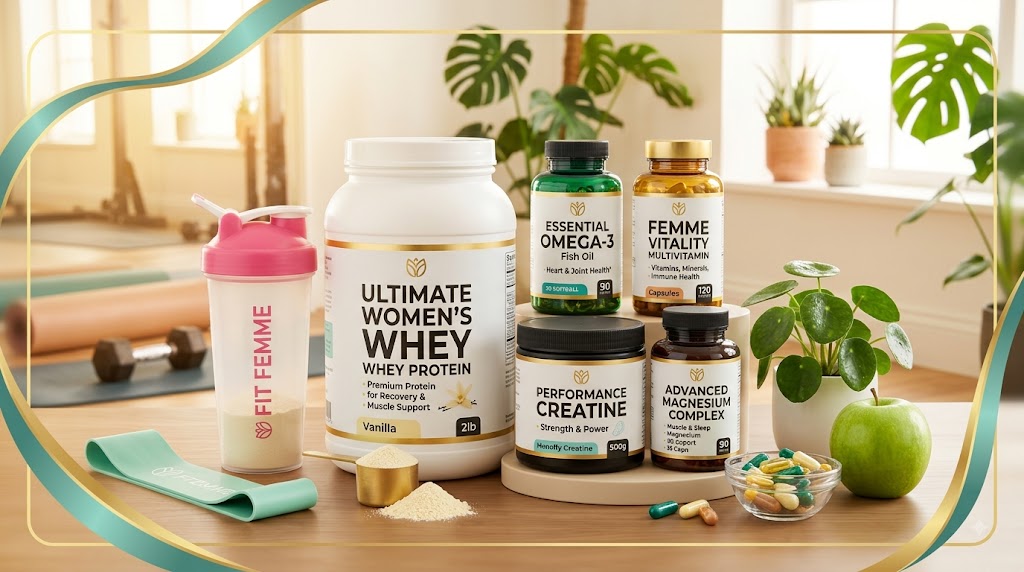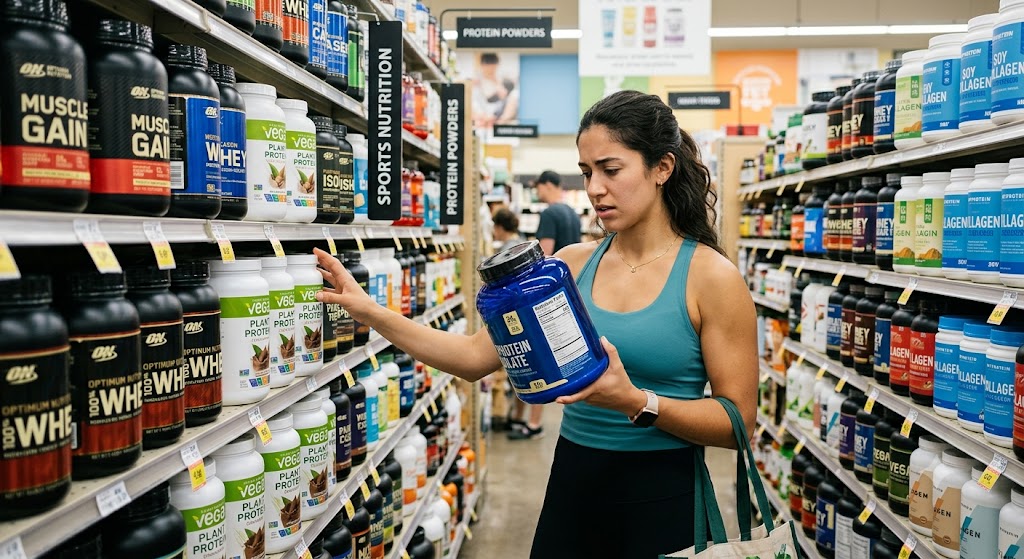
How to Choose the Right Protein Powder: The protein powder market has exploded over the last few years. Walk into any supplement store or browse an online marketplace, and you’ll find hundreds of options claiming to build muscle faster, burn fat, improve recovery, or boost overall health. From whey isolate and plant protein to collagen and mass gainers, the choices can be overwhelming.
So, how do you know which protein powder is actually worth your money?
The truth is, the “best” protein powder isn’t the one with the flashiest packaging or the biggest influencer endorsement. It’s the one that matches your fitness goals, dietary needs, and budget. This guide will help you make an informed decision without falling for marketing gimmicks.
Why Protein Powder Matters:
Protein is one of the three essential macronutrients your body needs. It plays a vital role in muscle repair, growth, hormone production, immune function, and overall recovery. While whole foods such as eggs, chicken, fish, dairy, beans, and lentils should always be your primary source of protein, protein powder can be a convenient way to meet your daily protein requirements.
Whether you’re a gym enthusiast, athlete, busy professional, or someone trying to lose weight while preserving muscle, the right protein supplement can make it easier to achieve your goals.
Step 1: Identify Your Fitness Goal
Before buying any protein powder, ask yourself why you need it.
- Muscle building: Whey protein concentrate or isolate works well for most people.
- Weight loss: Choose a protein with high protein content, low sugar, and minimal carbohydrates.
- General fitness: Any high-quality protein with a complete amino acid profile is suitable.
- Vegan lifestyle: Opt for pea, soy, rice, or blended plant-based proteins.
- Recovery after workouts: Fast-digesting whey isolate is often the preferred choice.
Knowing your goal immediately eliminates many unnecessary options.
Step 2: Understand Different Types of Protein:
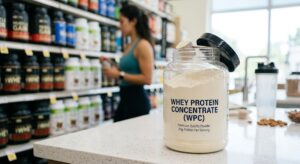
Whey Protein Concentrate (WPC):
This is the most popular and affordable option. It typically contains 70–80% protein along with small amounts of fats and carbohydrates. It offers excellent value for money and supports muscle growth effectively.
Best for: Most gym-goers and beginners.
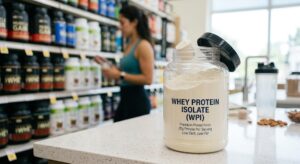
Whey Protein Isolate (WPI):
Whey isolate undergoes additional filtration to remove most fats and lactose, resulting in over 90% protein.
Best for: People with lactose sensitivity, athletes, and those seeking lean muscle gains.
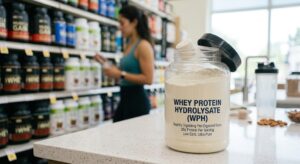
Whey Protein Hydrolysate:
This form is pre-digested for faster absorption and is commonly used in clinical nutrition and professional sports.
Best for: Serious athletes or individuals needing rapid recovery.
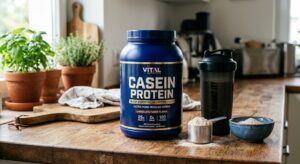
Casein Protein:
Casein digests slowly, providing a steady release of amino acids over several hours.
Best for: Nighttime use or long gaps between meals.
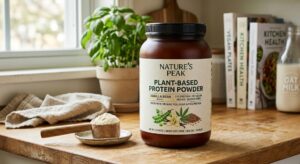
Plant-Based Protein:
Made from pea, soy, rice, hemp, pumpkin seed, or blends of multiple plant sources. Modern plant proteins can provide an excellent amino acid profile when properly formulated.
Best for: Vegans, vegetarians, and individuals with dairy allergies.
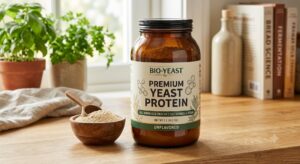
Yeast Protein:
Yeast protein is an emerging alternative protein made from microorganisms rather than dairy or plants. It offers a complete amino acid profile, making it a promising option for muscle recovery and overall nutrition. Unlike nutritional yeast used as a seasoning, yeast protein is specifically processed to provide a high-quality source of dietary protein.
Best for: Vegans, vegetarians, people looking for sustainable protein sources, and those seeking dairy-free alternatives.
Although yeast protein is still less common than whey or plant-based proteins, it is gaining popularity due to its high protein content, lower environmental impact, and potential for easier digestion. As more brands enter the market, yeast protein could become a major player in the future of sports nutrition.
Step 3: Read the Nutrition Label Carefully
The label reveals much more than the front of the package.
Look for:
- At least 20–30 grams of protein per serving
- Low added sugar
- Minimal artificial fillers
- Transparent ingredient list
- Complete amino acid profile (especially if plant-based)
- Reasonable calorie count based on your goals
Don’t be impressed by oversized serving sizes that inflate protein numbers.
Step 4: Check the Ingredient List
A shorter ingredient list is generally better.
Quality protein powders usually contain:
- Protein source
- Natural or approved flavoring
- Sweetener (optional)
- Digestive enzymes (optional)
Be cautious if you see excessive fillers, proprietary blends, unnecessary stimulants, or a long list of artificial additives that add little nutritional value.
Step 5: Look for Third-Party Testing
One of the biggest challenges in the supplement industry is quality control. Independent testing helps verify that a product contains what it claims and is free from harmful contaminants.
Look for certifications or independent testing from reputable organizations whenever possible. This provides greater confidence in product quality and safety.
Step 6: Don’t Judge by Price Alone
Expensive doesn’t always mean better.
Many premium brands spend heavily on marketing, athlete sponsorships, and packaging. On the other hand, some affordable brands offer excellent quality and transparent labeling.
Instead of comparing the total price, calculate the cost per gram of protein. This gives a much better picture of overall value.
Step 7: Consider Digestibility
Not every protein suits every person.
If you experience bloating, stomach discomfort, or gas:
- Try whey isolate instead of concentrate.
- Choose lactose-free options.
- Consider plant-based proteins.
- Select products with digestive enzymes if they work well for you.
Sometimes switching protein sources solves digestive issues completely.
Step 8: Avoid Marketing Traps
Supplement companies often use flashy claims like:
- “Build muscle twice as fast”
- “Lose fat instantly”
- “Scientifically revolutionary formula”
- “Extreme anabolic matrix”
Remember, no protein powder can replace proper training, adequate sleep, balanced nutrition, and consistent effort.
If a claim sounds too good to be true, it probably is.
Common Mistakes People Make:
Many beginners buy protein powder without researching the product. Here are some mistakes to avoid:
- Buying based only on influencer recommendations.
- Ignoring the ingredient list.
- Choosing the cheapest option available.
- Assuming more protein always means better results.
- Replacing whole meals with protein shakes.
- Consuming protein without following a structured workout plan.
Protein supplements should complement your diet—not replace nutritious whole foods.
Should You Buy Flavored or Unflavored Protein?
Flavored proteins are convenient and enjoyable, making it easier to stay consistent. However, they may contain sweeteners and flavoring agents.
Unflavored protein offers greater flexibility. You can add it to smoothies, oatmeal, yogurt, pancakes, soups, or baking recipes without altering the taste significantly.
The choice ultimately depends on your personal preference.
Choosing the right protein powder doesn’t have to be confusing. Instead of chasing trends or believing bold marketing claims, focus on what truly matters: your fitness goals, ingredient quality, protein content, digestibility, and product transparency.
A good protein powder is simply a convenient nutritional supplement—not a miracle product. Consistent training, balanced meals, adequate hydration, and proper sleep will always have the biggest impact on your results.
Before making your next purchase, spend a few extra minutes reading the label, comparing ingredients, and selecting a protein that fits your lifestyle. A well-informed decision today can save you money, improve your nutrition, and support your fitness journey for the long term.
 For more simple fitness tips, beginner-friendly workout plans, and easy habits that actually fit into a busy life, explore more blogs on AasthaFitVerse like Home Workout Plans, Fat Loss Diet Guides, and Daily Fitness Habits—everything is designed to help you stay consistent without stress