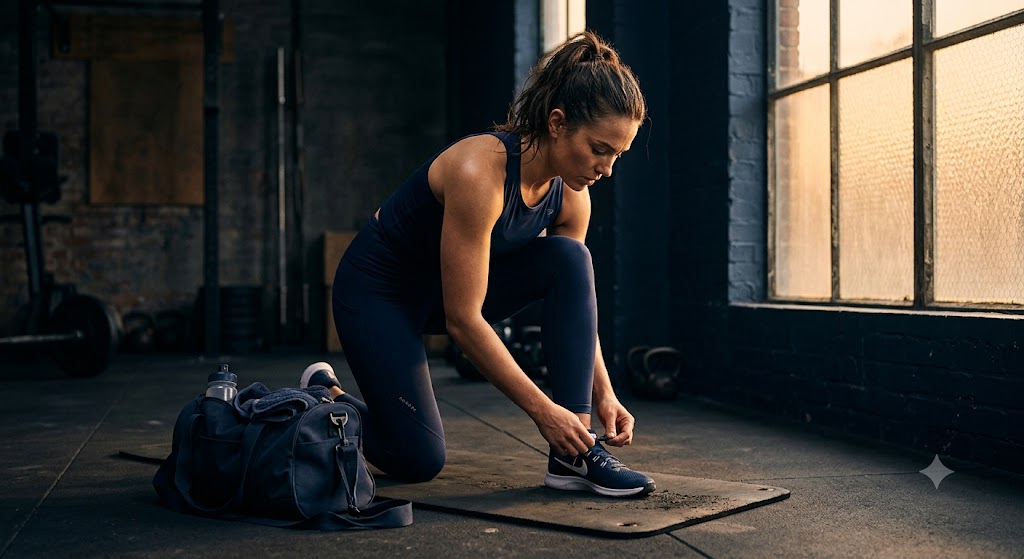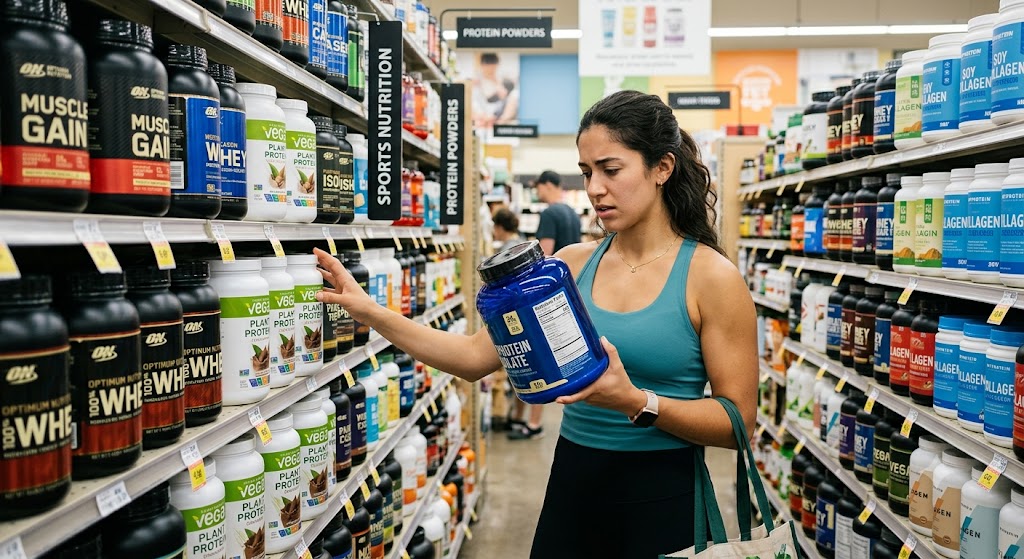
Postpartum Fat Loss Guide: Becoming a mother changes everything about your body, your time, and your energy. If you are sitting here wondering how to lose the weight you gained during pregnancy, you are not alone. Almost every new mother thinks about this at some point. But postpartum fat loss is not like normal fat loss. Your body has just done something incredible. It grew a human being. So the approach to losing fat after delivery needs to be gentle, smart, and realistic.
This guide will walk you through everything you need to know about losing fat after pregnancy in a safe way. No crash diets. No extreme workouts. Just simple, practical steps that actually work.
Why Postpartum Fat Loss Is Different
During pregnancy, your body stores extra fat on purpose. This fat is meant to support breastfeeding and give your body energy reserves for recovery. Your hormones, especially estrogen and progesterone, are also going through massive shifts after delivery. On top of that, you are sleep deprived, possibly breastfeeding, and your body is still healing from childbirth, whether it was a normal delivery or a C section.
This means your body is not in a state where it wants to lose weight quickly. It is in a state of recovery. If you try to rush the process with very low calories or intense exercise too soon, you can end up with low energy, poor milk supply if you are breastfeeding, hormonal imbalance, and even slower fat loss in the long run.
Understanding this is the first step. Once you accept that this journey will take time, you can stop comparing yourself to unrealistic timelines and start focusing on steady progress.
When Can You Start

This is one of the most common questions. The honest answer is that it depends on your delivery type and how your recovery is going.
If you had a normal vaginal delivery with no complications, light movement like walking can usually begin within a few days, once your doctor gives approval. If you had a C section, you need more time. Your body needs to heal the incision, and this usually takes six to eight weeks before you can even think about structured exercise.
The safest rule is simple. Always get clearance from your doctor before starting any fat loss plan or exercise routine after childbirth. Every body heals differently, and what worked for your friend or sister may not be right for you.
The Real Priorities in the First Few Months
Before we even talk about workouts and diets, there are three things that matter more in the early postpartum period.
Sleep and rest. You will not get eight hours of uninterrupted sleep, that is a reality of having a newborn. But resting whenever you get the chance, even short naps, helps your body recover and manage stress hormones like cortisol, which directly affects fat storage.
Emotional wellbeing. The postpartum period can bring a lot of emotional ups and downs. Stress and lack of support can make fat loss harder because of hormonal changes. Talk to your partner, family, or a professional if you are struggling. Your mental health comes first.
Nourishment over restriction. Your body needs proper nutrients to heal and, if breastfeeding, to produce milk. This is not the time to cut calories drastically. Fat loss will happen naturally over time when your body feels safe and well fed.
Nutrition for Postpartum Fat Loss
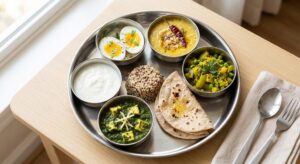
Nutrition is the biggest lever you have, more than exercise, especially in the early months when your energy and time are limited.
Do Not Crash Diet
Extremely low calorie diets can reduce your milk supply, leave you exhausted, and often lead to binge eating later. Instead of cutting food drastically, focus on eating better quality food in the right amounts.
Prioritize Protein
Protein helps repair tissues, supports muscle recovery, and keeps you full for longer, which naturally reduces overeating. Include sources like eggs, paneer, lentils, chicken, fish, curd, and milk in your meals. Try to have a source of protein in every meal rather than just one big serving at night.
 Read this high protein diet plan for muscle gain gives you a simple daily meal guide for veg, non-veg, and vegan options.
Do Not Fear Carbs and Fats
Many new mothers make the mistake of cutting carbs completely because they think it is the fastest way to lose weight. Carbs give you energy, which you desperately need right now with broken sleep and a demanding routine. Choose whole sources like rice, roti, oats, and fruits instead of removing carbs altogether. Healthy fats from nuts, seeds, ghee, and cooking oils support hormone production, which is especially important during this phase.
Stay Hydrated
Water needs increase if you are breastfeeding. Dehydration can be mistaken for hunger, leading to unnecessary snacking. Keep a bottle near you at all times, especially during feeding sessions, since this is when many mothers forget to drink water.
Eat Small and Frequent Meals
With a newborn, sitting down for three large meals a day is often unrealistic. Instead, prepare small, nutritious meals or snacks you can eat quickly. Boiled eggs, roasted chana, fruit with peanut butter, or a bowl of curd with nuts are easy options that do not require much preparation time.
Avoid Ultra Processed Food
It is tempting to reach for packaged snacks when you are exhausted, but these are usually high in sugar and unhealthy fats, which can slow down fat loss and affect your energy levels. Keep simple homemade snacks ready so you are not forced to rely on packaged options.
Exercise After Pregnancy
Once you get medical clearance, movement can be reintroduced slowly. The goal in the beginning is not intense fat burning workouts. It is rebuilding strength, especially in your core and pelvic floor, which have gone through a lot during pregnancy and delivery.
Start With Walking

Walking is one of the safest and most effective ways to begin. It gets your body moving, improves mood, and burns calories without putting stress on your healing body. Start with ten to fifteen minutes a day and slowly increase the duration as you feel stronger.
Rebuild Your Core the Right Way
Many women have some degree of abdominal separation after pregnancy, known as diastasis recti. Jumping straight into crunches or intense ab workouts can make this worse. Instead, begin with gentle breathing exercises and pelvic floor activation. A physiotherapist trained in postpartum recovery can guide you on this if you are unsure.
Move to Strength Training Gradually
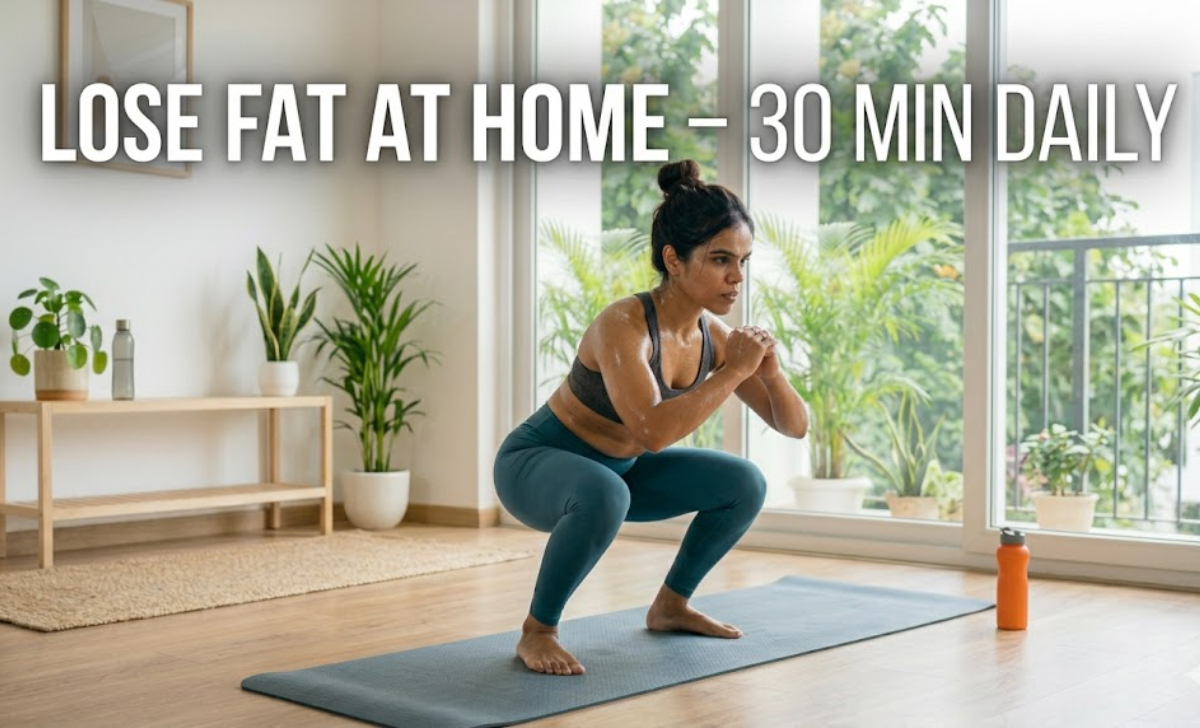
Once your core feels stronger and you have your doctor’s approval, you can slowly add bodyweight exercises like squats, glute bridges, and modified push ups. Strength training is one of the most effective tools for fat loss because it builds muscle, and muscle burns more calories even at rest.
Do Not Rush Into High Intensity Workouts
Intense workouts like heavy cardio sessions or high intensity interval training should wait until your body feels ready, usually a few months in, and always with medical clearance. Rushing this can lead to injury or excessive fatigue, which affects your daily functioning as a new mother.
Consistency Over Intensity
You do not need to work out for an hour every day. Even twenty to thirty minutes of movement, four to five times a week, done consistently, will give you better results than occasional intense sessions that leave you burnt out.
Breastfeeding and Fat Loss
If you are breastfeeding, your body needs extra calories to support milk production. This does not mean fat loss is impossible while breastfeeding. It simply means you need a smaller, more gradual calorie deficit rather than an aggressive one.
Cutting calories too much while breastfeeding can reduce your milk supply and leave you feeling depleted. Focus on nutrient dense foods rather than counting every calorie obsessively. Many mothers naturally lose weight during breastfeeding because of the extra energy their body uses to produce milk, so patience really pays off here.
Managing Expectations
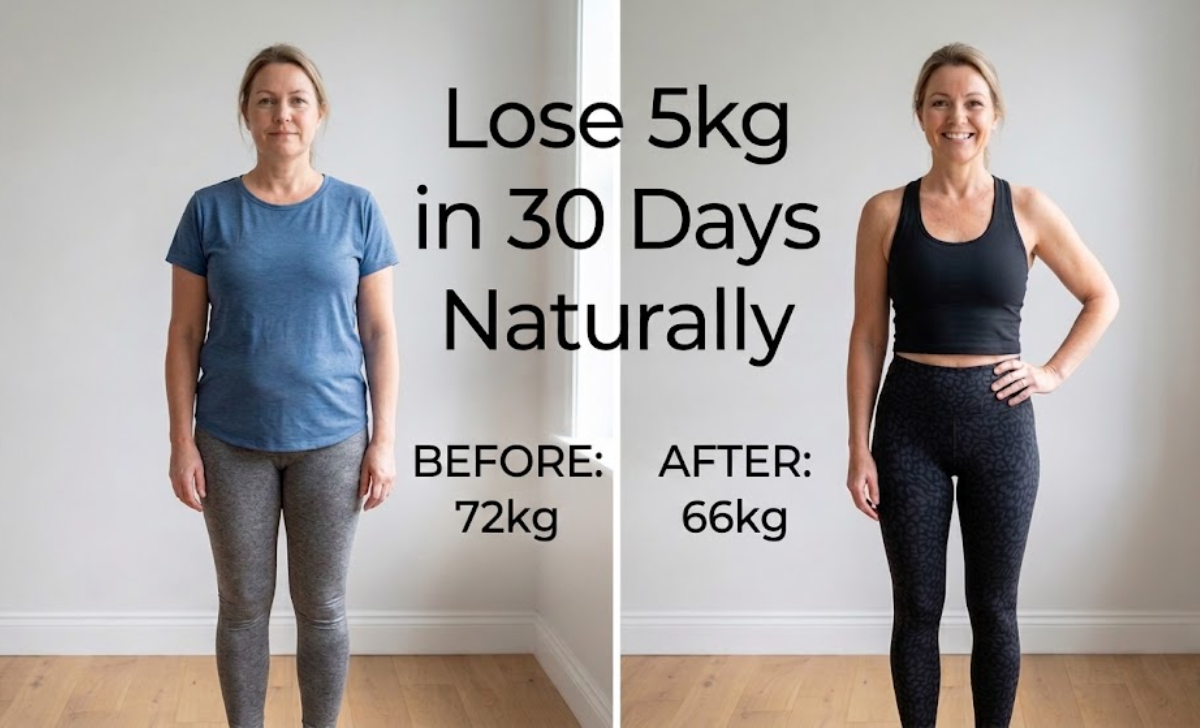
It took nine months for your body to change during pregnancy. It is reasonable to expect that returning to your pre pregnancy shape, if that is even your goal, will take time too. Some women see changes within a few months, others take a year or longer. Both are completely normal.
Instead of chasing a number on the scale, focus on how you feel. Are you sleeping a little better? Do you have more energy? Are your clothes fitting more comfortably? These are signs of progress that matter just as much as the scale.
Comparing yourself to other mothers, celebrities, or influencers who show quick postpartum transformations is not fair to you. Everyone’s body, delivery experience, support system, and circumstances are different. What matters is your own steady progress.
Simple Daily Framework You Can Follow
Here is a simple structure you can use once you have medical clearance to begin.
Morning, start with a short walk if possible, even if it is just around your home with the baby. Have a protein rich breakfast like eggs or a bowl of sprouts. Through the day, eat small meals every three to four hours, keep water nearby, and try to include a protein source and vegetables in each meal. If you get a window of twenty minutes, use it for gentle strength exercises or a longer walk. In the evening, wind down early when possible and prioritize sleep whenever the baby allows it.
This simple framework does not require hours of free time, which is realistic for a new mother’s schedule.
Signs You Should Slow Down
Listen to your body. If you notice increased bleeding, pain, dizziness, or unusual fatigue after starting any activity, stop and consult your doctor immediately. Fat loss should never come at the cost of your health or recovery.
Final Thoughts
Postpartum fat loss is a journey of patience, not punishment. Your body has done something remarkable, and it deserves care, not criticism. Focus on nourishing food, gentle movement, proper rest, and consistency. The results will come, but more importantly, you will build habits that support your long term health as a mother, not just a temporary before and after picture.
Strength, discipline, and results are not about rushing. They are about showing up for yourself, one small step at a time, even on the hardest days. That is what real transformation looks like.
For more simple fitness tips, beginner-friendly workout plans, and easy habits that actually fit into a busy life, explore more blogs on AasthaFitVerse like Home Workout Plans, Fat Loss Diet Guides, and Daily Fitness Habits—everything is designed to help you stay consistent without stress