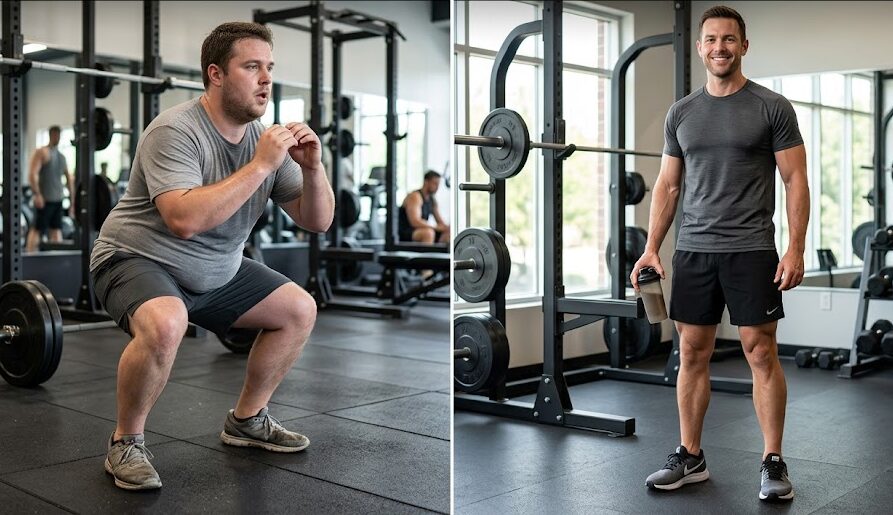
Morning vs Evening Workout for Fat Loss: You’ve probably heard this debate- “Morning workouts burn more fat!”
“No, evening workouts are better because you’re stronger then!”
So… who’s right? which one is actually true?
Here’s the honest answer: both have real benefits, but the winner depends on your body, your lifestyle, and what you can actually stick to. Let’s break it all down— no fitness jargon, no exaggeration.
What Does Science Say About Workout Timing and Fat Loss?

A 2022 study published in Frontiers in Physiology found that women who exercised in the morning lost more belly fat, while men who worked out in the evening had better fat loss results. Yes, even your gender can play a role here — pretty wild, right?
Another study from Cell Metabolism (2023) showed that fat cells respond differently to exercise depending on the time of day, thanks to your circadian rhythm — your body’s internal 24-hour clock.
So yes, timing does matter. But it’s not the most important factor. Consistency, effort, and diet still beat everything else.
 If you’re just getting started, this fat loss workout plan for beginners will help you follow an easy 30-day routine without spending hours in the gym.
Morning Workouts for Fat Loss — The Real Deal

Why Morning Exercise Can Help You Burn More Fat
When you wake up, your body has been fasting for 7–9 hours. Your glycogen (stored carbs) levels are lower, which means your body may tap into fat stores faster during exercise.
Here’s what makes morning workouts great for fat loss:
1. Fasted Cardio Effect Working out before breakfast can push your body to use more fat as fuel. This is especially true for low-to-moderate intensity cardio like walking, cycling, or jogging.
2. Cortisol is Naturally Higher in the Morning Cortisol peaks in the early morning. While too much cortisol is bad, in normal amounts it actually helps mobilize fat for energy. Morning exercise uses this natural hormonal window.
3. You Set the Tone for Your Day People who work out in the morning tend to make better food choices throughout the day. It’s a psychology thing — when you’ve already done something healthy, you don’t want to “ruin” it.
4. Fewer Distractions No calls, no meetings, no “I’ll do it after dinner” procrastination. Morning workouts get done.
The Downside of Morning Workouts
- Your body temperature is lower in the morning, so muscles are stiffer — higher injury risk if you skip warm-up
- Performance is often weaker (you can’t lift as heavy or run as fast)
- Not everyone is a morning person — forcing it can lead to skipping workouts
Before you begin any fitness journey, it’s important to understand why measuring key health metrics matters, so you can track real progress from day one.
Evening Workouts for Fat Loss — Don’t Sleep on These

Why Evening Workouts Deserve More Credit
Your body is actually physically better prepared to exercise in the late afternoon and evening (around 4 PM–7 PM). Here’s why:
1. Higher Body Temperature = Better Performance Body temperature peaks in the late afternoon. Warmer muscles mean better flexibility, more strength, and reduced injury risk.
2. You Can Push Harder Studies show people can train at higher intensities in the evening, which means more calories burned per session — great for fat loss.
3. Testosterone Peaks in the Afternoon For both men and women, testosterone (a fat-burning, muscle-building hormone) is higher in the afternoon. This helps you build lean muscle, which burns more fat even at rest.
4. Stress Relief = Less Cortisol = Less Belly Fat Evening workouts act as a stress dump after a long day. Since chronic stress raises cortisol (which promotes belly fat storage), working out in the evening can help reduce that.
The Downside of Evening Workouts
- Can interfere with sleep if done too late (avoid intense workouts within 2 hours of bedtime)
- Life tends to get in the way — meetings run late, dinner plans come up
- Gyms are crowded in the evenings
If your goal is to build a lean and strong body, this skinny to muscular transformation guide for beginners will show you how to gain muscle naturally step by step.
Morning vs Evening Workout for Fat Loss: Side-by-Side Comparison

| Factor | Morning Workout | Evening Workout |
|---|---|---|
| Fat Burning Potential | Higher (fasted state) | High (better intensity) |
| Muscle Strength | Lower | Higher |
| Injury Risk | Higher (stiff muscles) | Lower (warmed-up body) |
| Hormonal Advantage | Cortisol peak | Testosterone peak |
| Consistency | Easier (fewer distractions) | Harder (life gets in the way) |
| Calorie Burn Per Session | Moderate | Slightly Higher |
| Sleep Impact | None | Can affect sleep if too late |
| Best For | Cardio, walking, HIIT | Strength training, heavy lifting |
| Suitable For | Early birds, busy mornings | Night owls, office workers |
The One Thing That Matters More Than Timing

Let’s be real for a second.
The best time to work out for fat loss is… the time you’ll actually show up and do it.
No amount of “optimal cortisol windows” or “fasted cardio benefits” will help you if you skip half your workouts. A person who exercises consistently at 8 PM will always out-fat-burn someone who only occasionally drags themselves out of bed at 6 AM.
Consistency > Timing. Every single time.
Who Should Work Out in the Morning?
You’ll likely do better with morning workouts if:
- You have a chaotic, unpredictable evening schedule
- You want to do steady-state cardio or light HIIT
- You’re trying to build a habit and need to lock in a routine
- You sleep well and wake up naturally feeling energized
Who Should Work Out in the Evening?
Evening workouts make more sense if:
- You’re focused on strength training or building muscle (which helps long-term fat loss)
- Your mornings are rushed with kids, commute, or work
- You feel stiff and sluggish in the mornings
- You need the workout as a stress relief after the day
And if you prefer starting at home, this beginner home workout plan without equipment is a simple routine that can help you get fit even with zero experience.
Practical Tips to Maximize Fat Loss

- Morning tip: Have a small black coffee or green tea before your morning workout. Caffeine boosts fat oxidation without breaking your fast.
- Evening tip: Finish your workout at least 90 minutes before sleep. Choose lighter cardio if working out late at night.
- Both: Pair your workouts with a protein-rich diet. Fat loss comes from training + nutrition together, not just timing.
- Track your workouts — even a simple note on your phone helps you stay consistent.
Final Verdict:
Here’s the no-nonsense summary:
- Morning = Slightly better for fat burning (fasted state, cortisol advantage, fewer distractions)
- Evening = Better performance and muscle building (higher intensity, testosterone advantage, injury prevention)
- Long-term fat loss = Whichever one you stick to consistently
If you can do both? Great — try splitting your week. Cardio in the morning, weights in the evening. But if you’re choosing one, pick the slot that fits your life, not someone else’s Instagram routine.
FAQs:
Q1. Is working out on an empty stomach in the morning better for fat loss? Yes, fasted cardio can help your body use more fat as fuel since glycogen levels are lower. But it’s not a dramatic difference — and it only works well for low-to-moderate intensity cardio, not intense lifting.
Q2. Can I lose belly fat by working out in the evening? Absolutely. Evening workouts can be just as effective — or even more so — for burning belly fat because you can train harder and longer. Managing stress with evening exercise also helps reduce cortisol-driven belly fat storage.
Q3. Does workout timing really affect weight loss results? Yes, but it’s a small factor. Diet, workout intensity, sleep, and consistency have a far bigger impact on your fat loss results than the time you exercise.
Q4. What’s the best time for cardio for fat loss? Morning on an empty stomach is a popular choice for cardio. Even a 30-minute brisk walk can burn fat effectively in a fasted state. But the key is doing it regularly — not just once in a while.
Q5. Will working out at night make me gain weight? No — working out at night doesn’t cause weight gain. Just avoid heavy, intense exercise within 1–2 hours of bedtime, as it can disrupt sleep, and poor sleep is linked to weight gain.
Q6. How many times a week should I work out for fat loss? Aim for at least 4–5 sessions per week — a mix of strength training and cardio. Consistency over a few weeks will show more results than the perfect workout time.
Stay consistent, listen to your body, and remember — the best workout is the one you actually do.
Have questions about starting your home workout journey? Drop them in the comments — I actually read them all and reply.
For more simple fitness tips, beginner-friendly workout plans, and easy habits that actually fit into a busy life, explore more blogs on AasthaFitVerse like Home Workout Plans, Fat Loss Diet Guides, and Daily Fitness Habits—everything is designed to help you stay consistent without stress