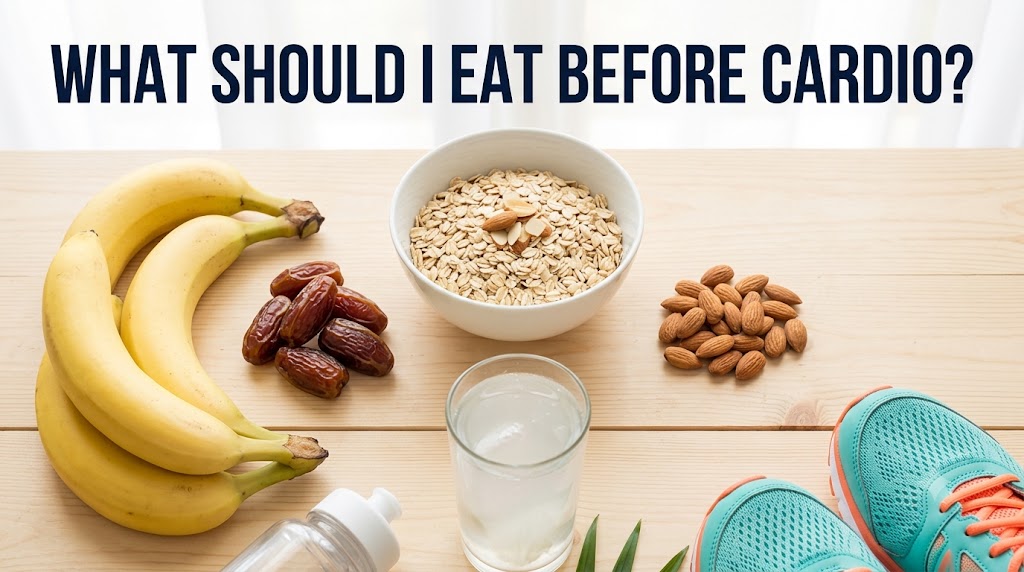
What Should I Eat Before Cardio?
You’ve laced up your shoes, filled your water bottle, and you’re ready to hit the treadmill or head out for a run, but there’s one question still nagging at you: should you eat something first, or is it better to go on an empty stomach?
It’s one of the most common questions in fitness, and honestly, the answer isn’t as simple as “always eat” or “never eat.” What you should eat before cardio depends on the time of day, the intensity and duration of your session, your personal digestion speed, and even your fitness goals, whether that’s fat loss, endurance, or performance.
In this guide, we’ll break down exactly what to eat before cardio, how long before your workout you should eat it, what to avoid, and how your pre-cardio meal changes based on morning versus evening workouts.
Why What You Eat Before Cardio Actually Matters
Cardio — whether it’s running, cycling, jumping rope, or a HIIT session, relies heavily on your body’s glycogen stores (the stored form of carbohydrates in your muscles and liver) for fuel. When you work out on empty glycogen stores, your body has less readily available energy, which can lead to:
- Early fatigue and reduced stamina
- Dizziness or lightheadedness, especially during longer sessions
- Reduced workout intensity, meaning you burn fewer calories overall
- A higher risk of muscle breakdown, since your body may turn to muscle tissue for energy when carb stores are low
On the flip side, eating the wrong thing- too much, too heavy, or too close to your workout can leave you feeling sluggish, bloated, or dealing with stomach cramps mid-session. The goal is to strike a balance: enough fuel to perform well, but light enough that your body isn’t busy digesting a heavy meal while you’re trying to move.
The Golden Rule: Carbs + a Little Protein, Low in Fat and Fibre
For any cardio session, your pre-workout meal should generally follow this formula:
Easily digestible carbohydrates + a small amount of protein, with minimal fat and fibre.
Here’s why each part matters:
- Carbohydrates are your body’s preferred and fastest source of energy. They top up glycogen stores so your muscles have fuel to burn.
 Worried rice will ruin your weight loss? It won’t. Read Is Rice Bad for Weight Loss? The Truth About Eating Rice and Still Losing Weight in 2026.
- Protein in small amounts helps prevent muscle breakdown during longer cardio sessions and keeps you feeling satiated.
For a full daily meal plan, see High Protein Diet Plan for Muscle Gain: Simple Daily Meal Guide for Veg, Non-Veg & Vegan.
- Fat and fibre should be kept low before a workout because they slow down digestion. Eating a fibre-heavy or fatty meal too close to cardio can cause bloating, cramps, or that heavy, sluggish feeling while you move.
Not sure how much you should actually eat each day? Check out “How Many Calories Should You Eat to Lose Fat? (Simple Calculator Guide)” for a beginner-friendly explanation.
What to Eat Before Cardio — Based on Timing
How much time you have before your workout should decide what and how much you eat.
If You Have 2–3 Hours Before Cardio
This is the ideal window for a proper, balanced meal. Your body has enough time to digest and convert the food into usable energy.
Good options:
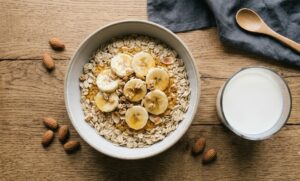
- Oats with milk and a few slices of banana
- Poha or upma with vegetables
- A vegetable sandwich with whole wheat bread
- Rice with dal and a small portion of vegetables
- Idli or dosa with sambar (light on the coconut chutney)
If You Have 30–60 Minutes Before Cardio

This is when you want something light, fast-digesting, and mostly carb-based. Avoid too much fibre or protein here, as your body won’t have time to break it down fully.
Good options:
- A banana
- A slice of toast with a thin spread of honey or jam
- A handful of dates (2–3 pieces)
- A small bowl of fruit like papaya or watermelon
- A glass of coconut water with a banana
If You Have Less Than 15–20 Minutes Before Cardio
If you’re really short on time, keep it minimal — the goal is just a quick energy boost, not a full meal.
Good options:
- A few sips of coconut water or a sports drink
- Half a banana
- A date or two
- Black coffee (if you tolerate caffeine well) — this can actually improve endurance and fat utilisation during cardio
Morning Cardio: Should You Eat Before a Fasted Workout?
This is one of the biggest debates in the fitness world — should you do cardio first thing in the morning on an empty stomach?
The case for fasted cardio: Some research suggests that exercising in a fasted state may increase the percentage of fat used for fuel during low-to-moderate intensity cardio, since glycogen stores are naturally lower after an overnight fast. This is why fasted walking or light jogging has become popular for fat-loss goals.
The case against it: For higher-intensity cardio like HIIT, sprinting, or longer endurance sessions, fasted training can significantly reduce your performance and stamina, and may increase the risk of dizziness or fatigue, especially in beginners.
Our take: If your morning cardio is low-intensity (a walk, light jog, or steady-state cycling under 30 minutes), fasted cardio is generally fine for most people, especially if fat loss is your primary goal. But if you’re doing anything intense or longer than 30–40 minutes, have a small snack like a banana or a few dates 15–20 minutes beforehand to protect your performance and energy levels.
Evening Cardio: What to Eat Before a Post-Work Session

If you’re squeezing in cardio after work or college, chances are your last proper meal was hours ago. In this case:
- If your last meal was 3+ hours ago, have a light carb-based snack 30–45 minutes before — like fruit, a small handful of nuts and dates, or a slice of toast.
- Avoid heavy, oily, or spicy food right before evening cardio, as it’s already been sitting in your system through the day and combined with a pre-workout snack can cause discomfort.
- If you tend to feel low-energy in the evenings, a small cup of tea or coffee about 20–30 minutes before your session can help improve alertness and workout intensity.
What about creatine? Should I take that too? Creatine is a different supplement. It helps with strength and power, not direct muscle repair. Read Should You Take Creatine? A Complete Guide for Men and Women for the full picture.
Foods to Avoid Right Before Cardio
Just as important as what to eat is knowing what not to eat close to your workout:
- High-fat foods (fried snacks, heavy paneer or cheese-based dishes) — slow digestion and can cause a heavy, sluggish feeling
- High-fibre foods (large servings of raw vegetables, salads, beans, rajma) — can cause bloating and stomach discomfort during movement
- Carbonated drinks — can lead to gas and cramping
- Very large meals — your body redirects blood flow to digestion instead of your muscles, reducing performance
- Excess dairy if you’re lactose-sensitive — can cause bloating right before a run
Hydration Matters Just as Much as Food
Cardio is one of the most sweat-inducing forms of exercise, so hydration before your session is non-negotiable. Aim to drink a glass of water 20–30 minutes before starting. If you’re doing longer sessions (45+ minutes) or working out in hot weather, consider adding a pinch of salt and a squeeze of lemon to your water, or sipping on coconut water for natural electrolytes.
Sample Pre-Cardio Snack Combinations
Here are a few quick, tried-and-tested combinations depending on your schedule:
| Time Before Workout | Best Choice |
|---|---|
| 2–3 hours | Oats + banana + milk |
| 1 hour | Toast + honey / a fruit bowl |
| 30 minutes | Banana + 2 dates |
| 15 minutes | Coconut water / black coffee |
| Fasted (low intensity only) | Water + electrolytes, no food |
Final Thoughts
There’s no single “perfect” pre-cardio meal that works for everyone, it depends on your workout timing, intensity, and how your body personally responds to food before exercise. As a general rule, lean toward light, easily digestible carbs with a touch of protein, avoid heavy or fibrous foods right before you move, and always prioritise hydration.
Pay attention to how your body feels during and after your sessions with different foods, and adjust from there. Once you find your personal formula, you’ll notice better energy, stronger performance, and a workout that actually feels good, not one you’re dragging yourself through.
For more simple fitness tips, beginner-friendly workout plans, and easy habits that actually fit into a busy life, explore more blogs on AasthaFitVerse like Home Workout Plans, Fat Loss Diet Guides, and Daily Fitness Habits—everything is designed to help you stay consistent without stress